Why Everyone Thinks Creative People Are Right-Brained Despite Zero Brain Science Supporting It
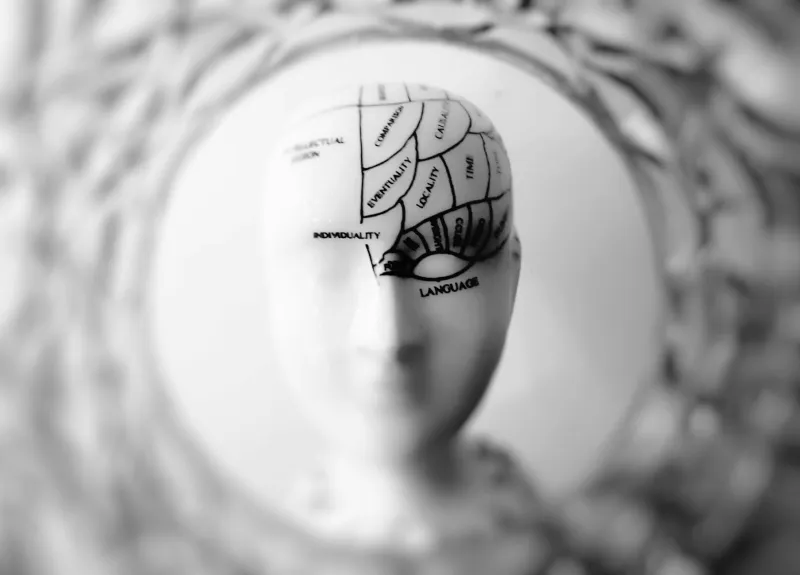
The Personality Framework That Won't Die
Scroll through any dating app, sit through a job interview, or browse personality quizzes online, and you'll encounter the same confident categorization: people are either left-brained (logical, analytical, mathematical) or right-brained (creative, artistic, intuitive). This binary has become so embedded in American culture that millions of people use it to explain their strengths, career choices, and personal limitations.
"I'm just not a math person—I'm right-brained," someone might say, or "I can't do creative work because I'm too left-brained." The framework feels scientific and offers a simple explanation for complex human differences.
But modern neuroscience has thoroughly debunked this neat division. Creativity and analytical thinking both require networks distributed throughout the entire brain, not activity concentrated in one hemisphere.
How a Real Discovery Got Distorted
The left-brain/right-brain creativity myth does have roots in legitimate scientific observation, which helps explain its persistence. In the 1960s, neurobiologist Roger Sperry conducted groundbreaking research on patients who had undergone split-brain surgery—a procedure that severed the connection between the brain's two hemispheres to treat severe epilepsy.
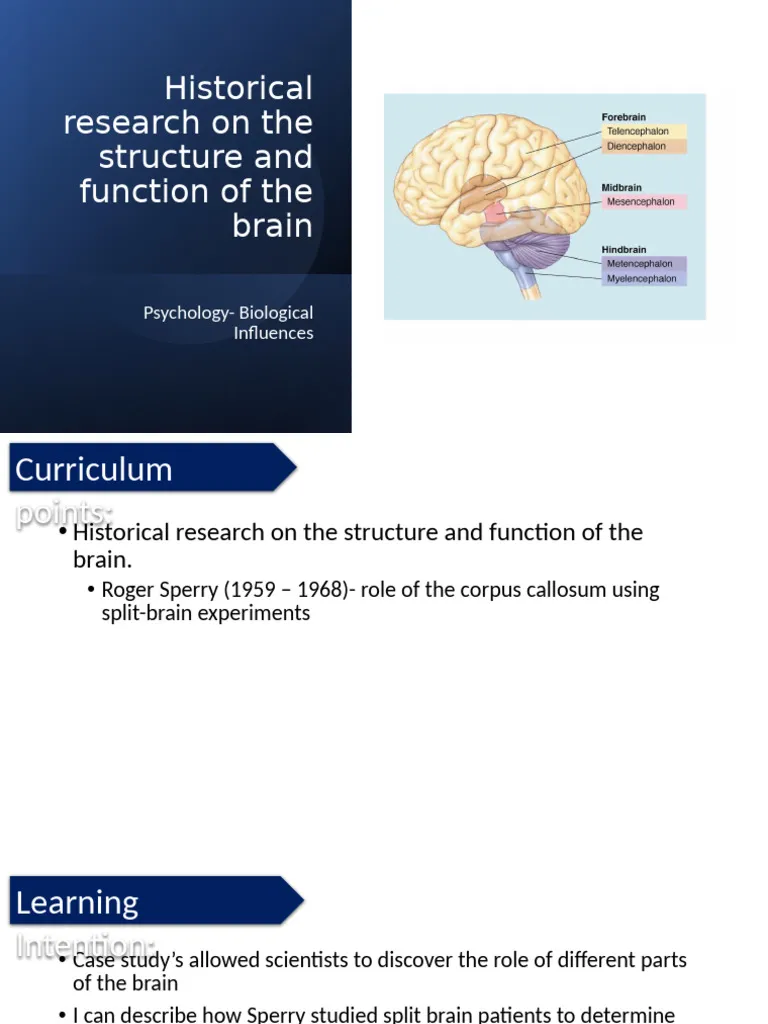 Photo: Roger Sperry, via imgv2-2-f.scribdassets.com
Sperry's work revealed that the left hemisphere typically handles language processing while the right hemisphere excels at spatial tasks. This was genuine scientific discovery that earned him a Nobel Prize.
However, the leap from "language tends to be processed more in the left hemisphere" to "logical people are left-brained and creative people are right-brained" represents a massive oversimplification that Sperry himself never endorsed. His research focused on specific cognitive functions, not personality types or creative abilities.
What Actually Happens During Creative Thinking
When neuroscientists use modern brain imaging to study creativity in action, they see activity lighting up across both hemispheres simultaneously. A 2013 study at Drexel University used EEG technology to monitor jazz musicians improvising music and found that creative moments involved increased connectivity between multiple brain regions, not isolated right-hemisphere activity.
 Photo: Drexel University, via 1000logos.net
Similar research on visual artists, writers, and problem-solvers consistently shows that creative thinking requires coordination between areas traditionally associated with both "logical" and "intuitive" functions. The brain's default mode network, attention networks, and executive control systems all contribute to creative output.
Even more telling, studies of people with actual brain hemisphere damage show that creativity requires both sides functioning together. Patients with right-hemisphere strokes don't just lose creativity—they often struggle with the systematic thinking that supposedly belongs to the left brain.
The Real Networks Behind Innovation
Neuroscientist Arne Dietrich's research at American University of Beirut has identified what he calls the "creative brain network"—a system that includes regions from both hemispheres working in coordination. During creative tasks, areas responsible for memory retrieval, attention control, and cognitive flexibility all activate together.
 Photo: American University of Beirut, via c8.alamy.com
The most creative individuals, according to brain imaging studies, don't show stronger right-hemisphere dominance. Instead, they demonstrate better communication between different brain networks and more flexible switching between focused attention and broad associative thinking.
This explains why many breakthrough innovations combine analytical rigor with creative insight. The scientists who developed GPS technology needed both mathematical precision and creative problem-solving. The engineers at Apple designing the iPhone drew on systematic engineering knowledge and artistic sensibility simultaneously.
Why the Myth Became Cultural Truth
The left-brain/right-brain creativity divide gained traction because it offered a simple explanation for complex human differences during an era when brain science was less accessible to the general public. Self-help books and corporate training programs embraced the framework because it provided an easy way to categorize and discuss human potential.
The myth also serves psychological functions that keep it alive. It gives people permission to avoid challenges ("I'm not good at math because I'm right-brained") while also providing identity and belonging ("We creative types think differently"). It's more comfortable than accepting that abilities develop through practice and effort regardless of supposed brain dominance.
Educational systems inadvertently reinforced the divide by treating arts and sciences as separate tracks, as if students needed to choose between analytical and creative development. This institutional separation made the brain hemisphere explanation feel obviously true.
The Cost of Thinking in Hemispheres
Believing in left-brain/right-brain personality types can actually limit human potential. Students who identify as "right-brained" may avoid STEM subjects, missing opportunities to develop analytical skills that enhance creative work. Those who consider themselves "left-brained" might skip artistic pursuits that could improve their problem-solving abilities.
The most innovative fields increasingly require both creative and analytical thinking. Data visualization combines statistical analysis with aesthetic design. Medical diagnosis requires pattern recognition, systematic evaluation, and creative hypothesis generation. Software development involves logical programming and user experience creativity.
A More Accurate Picture
Real neuroscience suggests that human brains are far more integrated and adaptable than the hemisphere myth implies. Creativity emerges from networks spanning both sides of the brain, and these networks can be strengthened through practice regardless of supposed personality type.
The most effective approach to developing both analytical and creative abilities involves engaging both types of thinking regularly, understanding that they complement rather than compete with each other. The brain's plasticity means that challenging yourself in unfamiliar areas—whether that's a right-brained person learning statistics or a left-brained person trying watercolor painting—actually enhances overall cognitive flexibility.
Instead of limiting yourself to one hemisphere's supposed strengths, neuroscience suggests embracing the whole brain's potential.