The 20-Second Rule and Other Hand-Washing Truths Most People Have Never Heard
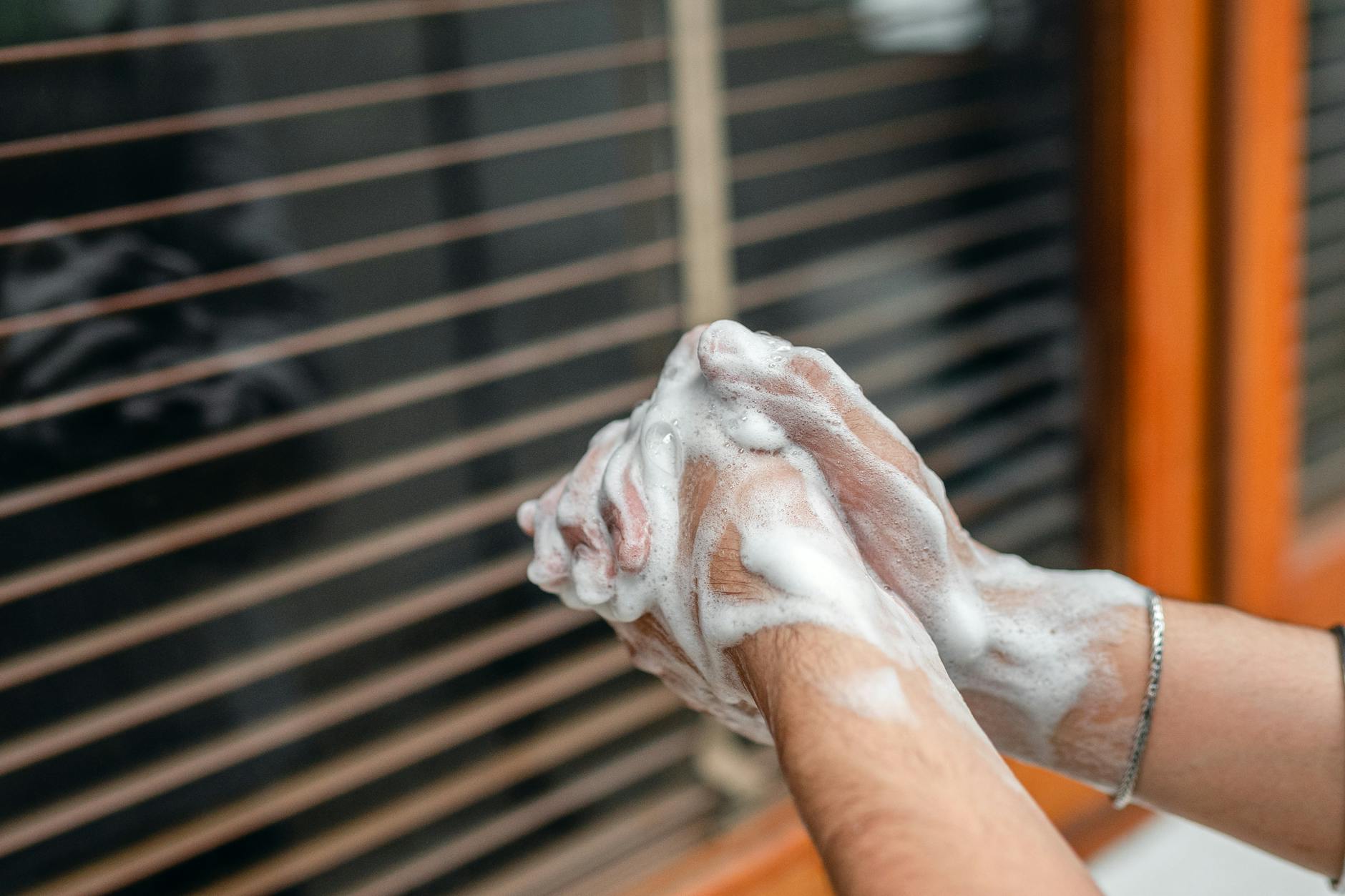
The 20-Second Rule and Other Hand-Washing Truths Most People Have Never Heard
You've been washing your hands since you were old enough to reach the faucet. Your parents taught you. Your teachers reminded you. And somewhere along the way, it became so automatic that you stopped thinking about it entirely.
That's exactly the problem.
Most Americans believe they're doing it right. A pump of soap, a few seconds under water, a quick dry — done. But public health researchers have spent decades trying to communicate something that keeps getting lost in translation: how you wash your hands matters enormously, and the casual version most of us practice isn't doing nearly as much as we assume.
The Myth: Soap + Water = Clean Hands
The popular understanding of handwashing is basically this: soap kills germs, water rinses them away, and any combination of the two gets the job done. It sounds logical. It's also incomplete in ways that genuinely affect your health.
Soap doesn't actually kill most pathogens — at least not on contact the way hand sanitizer does. What soap does is act as a surfactant, meaning it breaks down the oily layer on your skin that microbes cling to and lifts them off the surface so water can carry them away. That's a mechanical process. And like any mechanical process, it requires enough time and coverage to actually work.
The CDC recommends scrubbing for at least 20 seconds — roughly the time it takes to hum "Happy Birthday" twice. Studies have found that most people average somewhere between 6 and 11 seconds. That gap isn't trivial. Research published in journals focused on infection control has consistently shown that shorter wash times leave significantly more viable bacteria on the skin than proper-duration washing does.
The Water Temperature Myth
Here's one that surprises a lot of people: water temperature doesn't matter much at all.
For generations, "wash your hands with warm water" was standard advice — passed down from parents, printed on bathroom signs, reinforced in school. The implication was always that hot water was more effective at killing or removing germs.
A study out of Vanderbilt University tested handwashing at water temperatures ranging from 60°F to 120°F and found no meaningful difference in microbial reduction. The water temperature that actually kills pathogens on skin would be hot enough to cause burns. What warm water might do is make the experience more comfortable, which could encourage people to wash longer — but that's a behavioral benefit, not a biological one.
The real variable isn't how hot your water is. It's how thoroughly you're covering your hands.
The Spots Everyone Misses
This is where the gap between the myth and the reality gets most concrete. Even people who wash for a full 20 seconds often miss the same areas consistently.
Research using UV-reactive lotions — which show up under black light to reveal where soap never reached — has identified a predictable pattern of neglected zones:
- Fingertips and under the nails — among the highest-contact areas on your hand, and almost always undertreated
- Thumbs — frequently ignored because most people scrub palm-to-palm and the thumb stays on the outside
- The backs of hands — people focus on palms, where it feels like the most contact happens
- Between the fingers — easily missed unless you deliberately interlace your fingers while scrubbing
- The wrists — rarely considered part of handwashing at all, even though they touch surfaces and people constantly
Medical professionals learn a specific scrubbing sequence during training for exactly this reason. For the rest of us, the shortcut is simply to be deliberate: if you're not actively scrubbing a surface, you're probably skipping it.
Why Public Health Messaging Oversimplified This
So how did we end up with such a stripped-down version of handwashing advice? The short answer is that public health communication is always navigating a tension between accuracy and accessibility.
When you're trying to change behavior at a population level — getting millions of people to wash their hands more often — the priority becomes making the message easy to remember and non-intimidating. "Wash your hands" is a message that works. "Wash your hands for 20 seconds using this specific seven-step technique covering all anatomical zones" is a message that gets ignored.
The result is that the simplified version became the default, and the details got left behind. The 20-second guideline has been part of CDC recommendations for years, but surveys consistently show that a large portion of Americans either don't know about it or don't follow it.
The COVID-19 pandemic briefly moved the needle — handwashing got more public attention in 2020 than it had in decades, and the 20-second rule gained real visibility. But habits have a way of reverting, and the careful version of handwashing is already fading back into autopilot territory for most people.
The Takeaway
This isn't about becoming obsessive or clinical about a basic daily habit. It's about recognizing that a task you've done thousands of times might have a few genuine blind spots — and that closing those gaps doesn't require much effort.
Twenty seconds. All surfaces. Temperature doesn't matter. Dry thoroughly afterward, because damp hands transfer bacteria more easily than dry ones.
That's the actual checklist. It takes maybe 15 extra seconds compared to what most people currently do. Given that handwashing is one of the most consistently effective tools for preventing illness — from the common cold to more serious infections — those 15 seconds have an unusually good return on investment.
Next time you're at the sink, hum "Happy Birthday" twice. You might be surprised how long that actually feels compared to what you're used to.