The Office Superpower That Doesn't Exist
In conference rooms across America, the conversation is always the same. "I'm just not a good multitasker," someone apologizes, explaining why they prefer to focus on one project at a time. Meanwhile, their colleague jumps in: "Oh, I'm the opposite — I thrive on juggling multiple things at once. I get bored if I'm not switching between tasks."
Both of these people think they understand something fundamental about how their brains work. The apologetic single-tasker believes they're missing some cognitive ability that others possess. The confident multitasker thinks they've discovered a productivity superpower that gives them an edge in the modern workplace.
They're both wrong.
What Multitasking Actually Is (And Isn't)
When cognitive scientists talk about multitasking, they're not describing what most people think they're doing at work. True multitasking — simultaneously processing multiple streams of information — is something human brains can only do with very specific types of automatic behaviors. You can walk and chew gum because neither activity requires active cognitive control. You can listen to music while folding laundry because the motor patterns of laundry folding don't compete with auditory processing.
What people call multitasking in professional settings is actually rapid task-switching. Your brain stops working on email, switches to the phone call, then switches to the spreadsheet, then back to email. Each switch requires mental energy and time to refocus, even though the transitions feel seamless.
The illusion of simultaneous processing happens because these switches occur so quickly that we don't notice the gaps. It's like watching a movie — individual frames create the impression of continuous motion, but the actual experience is a series of discrete images flashing in sequence.
The Confidence Trap
Here's where the research gets interesting: people who consider themselves excellent multitaskers consistently perform worse on cognitive tests than those who prefer single-tasking. The Stanford researchers who discovered this pattern called it the "multitasking paradox" — the more confident someone is in their multitasking ability, the more likely they are to show impaired performance when actually tested.
These high-confidence multitaskers make more errors, take longer to complete tasks, and show reduced comprehension compared to their single-tasking counterparts. But they feel like they're performing better. The subjective experience of rapid task-switching creates a sense of productivity and engagement that doesn't match objective performance measures.
It's similar to how drunk drivers often feel more confident about their driving abilities even as their actual skills deteriorate. The same cognitive impairment that reduces performance also reduces the ability to accurately assess that performance.
The Switching Cost Nobody Talks About
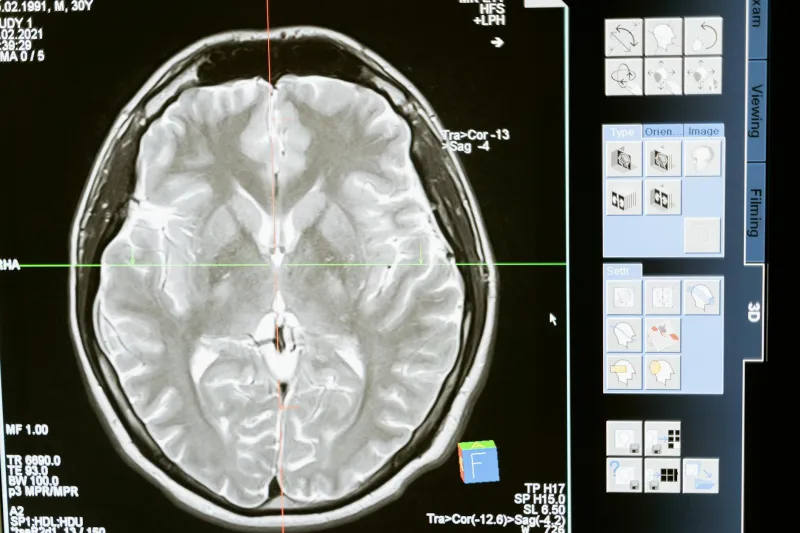
Every time you shift from one task to another, your brain pays a switching cost. This isn't just a metaphor — neuroimaging studies show measurable changes in brain activity during task transitions. The prefrontal cortex has to disengage from one set of rules and priorities, then reorient to a completely different set.
For simple tasks, this switching cost might be just a few tenths of a second. But for complex cognitive work — the kind most professionals do — the cost can be much higher. It might take several minutes to fully re-engage with a complicated project after switching away from it.
These costs add up throughout the day. A worker who switches between tasks every few minutes might spend 25% or more of their time in transition states, never fully engaged with any single piece of work. They end the day feeling busy and productive while actually accomplishing less than a focused colleague.
Why the Myth Became Corporate Doctrine
The multitasking myth gained traction because it seemed to solve a modern workplace problem: how to handle increasing demands with limited time. If some people could effectively work on multiple projects simultaneously, then multitasking became a skill to cultivate rather than a limitation to manage around.
Technology companies reinforced this belief by designing tools that encouraged task-switching. Email notifications, instant messaging, and social media platforms all profit from fragmented attention. The more often users switch between applications, the more engagement opportunities these platforms create.
Management culture embraced multitasking as a efficiency solution. Job postings began listing "ability to multitask" as a required skill. Performance reviews rewarded employees who could "wear multiple hats" and "juggle competing priorities." The workplace essentially institutionalized a cognitive approach that research shows reduces performance.
The Real Productivity Research
Studies consistently show that people complete tasks faster and with fewer errors when they work on them sequentially rather than simultaneously. The time saved by not constantly switching contexts more than compensates for any perceived efficiency gains from parallel processing.
More importantly, the quality of work improves dramatically with sustained focus. Creative problem-solving, deep analysis, and complex reasoning all require extended periods of uninterrupted attention. These cognitive processes simply can't happen in the fragmented attention spans that multitasking creates.
Some research suggests that even the mere possibility of interruption — having email open in another browser tab, keeping a phone within reach — reduces cognitive performance even when no actual interruptions occur. The brain allocates some processing power to monitoring for potential switches, leaving less available for the primary task.
Rethinking Workplace Productivity
The most productive professionals aren't the ones who can juggle the most balls — they're the ones who can focus deeply on one ball at a time. This means structuring work to minimize context switching, creating periods of protected focus time, and resisting the cultural pressure to appear busy through constant task-juggling.
Some companies are beginning to recognize this reality. They're implementing "no meeting" blocks, encouraging employees to close email during focused work periods, and measuring productivity by output quality rather than apparent busyness.
The Simple Truth About Human Attention
Your brain isn't designed to multitask complex cognitive work, and that's not a personal failing — it's human biology. The sooner workplaces accept this reality and design systems around sustained focus rather than fragmented attention, the better everyone will perform.
The next time someone brags about their multitasking abilities, remember: they're probably describing the very thing that's making their work slower, more error-prone, and less creative. The real workplace superpower isn't juggling multiple tasks — it's the discipline to focus on one thing at a time.