The 98.6°F Normal Temperature Is Based on 150-Year-Old Data That Doesn't Match Modern Bodies
Reach for a thermometer in any American medicine cabinet, and you'll find 98.6°F marked as the dividing line between normal and fever. Parents use this number to decide whether to send kids to school. Employers use it for workplace health screenings. Insurance companies reference it in coverage decisions.
But this universally accepted standard comes from a single German study conducted in 1868 — and modern medical research suggests human body temperature has actually changed since then.
The German Doctor Who Set America's Temperature Standard
Carl Reinhold August Wunderlich, a German physician, spent years taking armpit temperatures from 25,000 patients in Leipzig. His comprehensive study, published as "Das Verhalten der Eigenwärme in Krankenheiten" (The Behavior of Body Heat in Disease), established 37°C as the average human body temperature.
When American medical texts translated Wunderlich's work, they converted 37°C to 98.6°F — a level of precision that the original Celsius measurement never claimed. Wunderlich's thermometers weren't accurate enough to distinguish between 98.4°F and 98.8°F, yet the American medical establishment adopted 98.6°F as gospel.
Why 1860s German Bodies Don't Match Modern Americans
Stanford University researchers analyzed over 677,000 temperature measurements taken from Americans between 1862 and 2017. Their findings, published in eLife, reveal a consistent decline in average body temperature over the past 160 years.
Men born in the early 1800s averaged about 98.9°F. Men born in the 1990s average closer to 97.9°F. Women showed a similar decline, dropping from about 98.8°F to 98.0°F over the same period.
The researchers estimate that average human body temperature has decreased by about 0.05°F per decade — a small but statistically significant change that adds up over generations.
The Medical Revolution That Cooled Us Down
Why are modern Americans running cooler than their ancestors? The Stanford team points to several interconnected factors:
Reduced inflammation: Chronic infections were common in Wunderlich's era. Tuberculosis, dental abscesses, and untreated wounds created persistent low-grade inflammation that elevated baseline body temperature. Modern antibiotics and preventive medicine have eliminated much of this background immune activity.
Improved nutrition: Better food safety and nutritional knowledge mean modern bodies spend less energy fighting foodborne illness and nutrient deficiencies.
Climate control: Central heating and air conditioning mean our bodies work less to maintain core temperature, potentially allowing baseline temperatures to drift lower.
Different activity patterns: The shift from manual labor to desk jobs may have altered how our bodies regulate heat production.
Your Personal Temperature Is More Complicated Than Any Single Number
Even if 98.6°F accurately represented 19th-century German patients, modern medicine recognizes that "normal" temperature varies significantly within individuals:
Time of day matters: Most people run about 1°F cooler in early morning than late afternoon. Your 6 AM temperature of 97.8°F might be perfectly normal, while the same reading at 6 PM could indicate you're fighting something.
Age changes everything: Older adults typically run cooler than young people. A temperature of 99°F might represent a significant fever in an 80-year-old while being barely elevated for a teenager.
Measurement location affects results: Oral temperatures run about 1°F lower than rectal temperatures. Ear thermometers can vary based on wax buildup and angle. That 98.6°F standard assumes oral measurement with a specific type of thermometer.
Individual baselines vary: Some healthy people consistently run temperatures of 97°F while others average 99°F. Knowing your personal normal matters more than hitting a universal target.
How the Medical Industry Keeps Using Outdated Standards
Despite decades of research showing temperature variation, medical institutions continue defaulting to 98.6°F. Electronic medical records flag temperatures above this threshold. Workplace health screenings use it as a cutoff. Insurance companies reference it in policy language.
This persistence reflects how deeply the number has embedded itself in American medical culture. Changing a standard requires updating millions of devices, retraining healthcare workers, and revising countless protocols — a massive undertaking that most institutions avoid unless absolutely necessary.
What Fever Actually Means in the Modern Era
Contemporary fever research focuses less on absolute temperature and more on change from baseline. A rise of 2°F above your normal temperature often indicates illness, regardless of whether you hit the traditional 100.4°F fever threshold.
The CDC now defines fever as 100.4°F (38°C) or higher, acknowledging that 98.6°F was never meant to be a fever cutoff. But this newer standard still relies on population averages rather than individual baselines.
Why Your Thermometer Lies About Normal
Most consumer thermometers still mark 98.6°F as "normal" because manufacturers follow medical device regulations written decades ago. These regulations reference standards established when Wunderlich's work was considered cutting-edge science.
Updating these standards requires regulatory agencies to weigh new research against the practical challenges of changing widely-used medical devices. The result is a system where everyone knows the science has evolved, but the tools haven't caught up.
The Real Story Behind Your Body's Temperature
Modern temperature science reveals something more complex than any single number can capture. Your body temperature fluctuates based on dozens of variables — time of day, recent meals, physical activity, hormonal cycles, ambient temperature, and individual metabolism.
The 98.6°F standard represents a statistical average from a specific population at a specific time in history. It was never intended to define normal temperature for every individual across all circumstances.
Taking Your Temperature in the 21st Century
Rather than fixating on 98.6°F, modern medical advice suggests:
- Know your personal baseline: Take your temperature when healthy to establish your individual normal range
- Track changes over time: A 2°F increase from your baseline often matters more than hitting a specific threshold
- Consider context: Factor in time of day, recent activity, and measurement method
- Focus on symptoms: Fever is just one indicator of illness — how you feel matters as much as what the thermometer reads
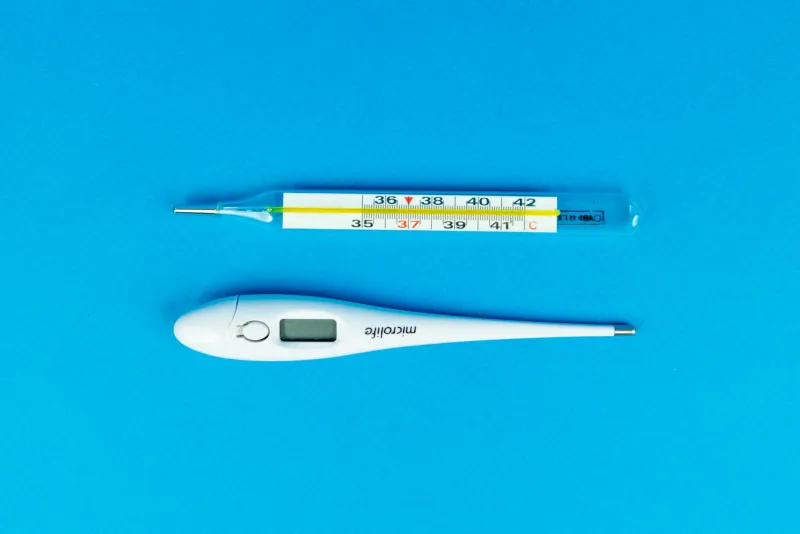
The thermometer in your medicine cabinet might still show 98.6°F as normal, but your body is writing its own temperature story — one that's probably a bit cooler than what German doctors measured 150 years ago.