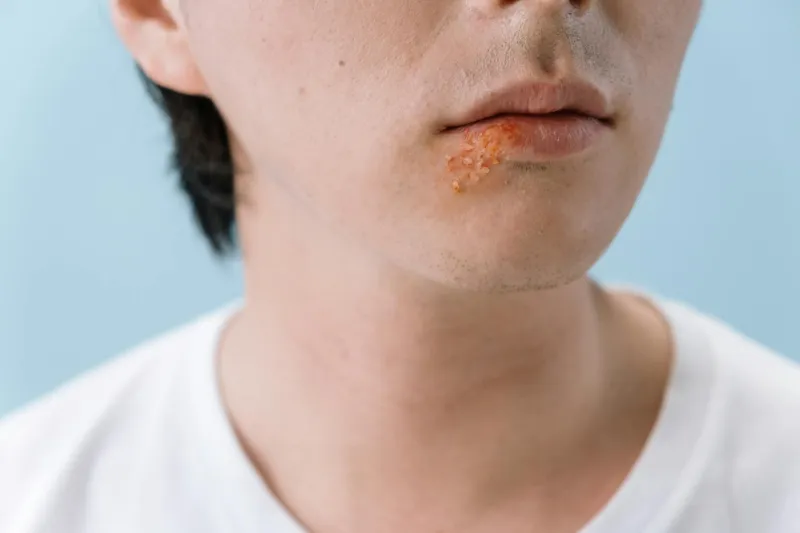
Every summer, emergency rooms across America see the same pattern: patients arriving with severe poison ivy reactions, convinced that scratching their blisters has made everything worse. They've been told since childhood that the fluid inside those angry, swollen bumps will spread the rash to other parts of their body or infect family members. It's one of the most persistent medical myths in the United States — and it's completely wrong.
What's Actually Inside Those Blisters
The clear fluid oozing from poison ivy blisters contains zero urushiol, the plant oil that actually causes the allergic reaction. When your immune system launches its attack against urushiol, it creates inflammation that pushes fluid into the spaces between skin cells. This blister fluid is essentially just water, proteins, and immune cells — the same stuff you'd find in any other type of blister.
Urushiol itself gets absorbed into your skin or washed away within minutes of contact. By the time blisters appear — usually 12 to 72 hours after exposure — the original culprit is long gone.
The Real Reason Poison Ivy Seems to Spread
If blister fluid can't spread poison ivy, why does the rash often appear to get bigger over time? The answer lies in how urushiol exposure actually works.
When you brush against poison ivy, different parts of your body receive different amounts of the oil. Areas that got a heavy dose — like your forearm dragging directly across leaves — develop symptoms first. Spots that picked up trace amounts through indirect contact might not show signs for several days.
This delayed reaction creates the illusion that the rash is spreading from the initial site, when it's actually just developing on a different timeline. Your ankle might break out three days after your wrist, not because you scratched and transferred something, but because it took longer for the lighter exposure to trigger a visible reaction.
Why the Myth Persists Despite Medical Evidence
The blister fluid misconception survives because it seems logical. People notice their rash appearing in new places after they've been scratching, so they assume cause and effect. The timing feels right, even though the real explanation is more complex.
Parents pass this belief to their children with genuine concern for their health. School nurses repeat it. Even some healthcare providers who should know better perpetuate the myth during quick clinic visits.
The fear also serves a practical purpose: it keeps people from scratching, which can lead to secondary bacterial infections. But it's solving the right problem with wrong information.
What Actually Determines How Bad Your Reaction Gets
Several factors influence poison ivy severity, none of which involve blister fluid:
Amount of exposure: More urushiol means a more intense reaction. Hiking through a dense patch will hit you harder than briefly touching a single leaf.
Individual sensitivity: Some people develop severe reactions to tiny amounts, while others can practically roll in poison ivy with minimal effects. This sensitivity can change throughout your life.
Location on your body: Thin-skinned areas like your face and genitals react more severely than thick-skinned spots like your palms.
Previous reactions: Contrary to popular belief, repeated exposure typically makes you more sensitive, not less.
The Real Risks of Scratching
While scratching won't spread urushiol, it does create other problems. Your fingernails can break the skin and introduce bacteria, leading to infections that require antibiotic treatment. Aggressive scratching can also cause permanent scarring.
The solution isn't avoiding all contact with blisters — it's managing the itch through proper treatment. Cool compresses, calamine lotion, and antihistamines can provide relief without the risks that come with scratching.
When to Actually Worry About Spreading
The only way to spread poison ivy is through urushiol that hasn't been absorbed yet. This means:
- Unwashed clothing or gear can transfer the oil days later
- Pet fur can carry urushiol from outdoor adventures
- Garden tools and camping equipment remain contaminated until properly cleaned
- Smoke from burning poison ivy plants can carry the oil into your lungs
Once you've washed thoroughly with dish soap (which cuts through oils better than regular soap), you're not contagious. The rash itself poses no transmission risk.
The Bottom Line
The next time you develop poison ivy blisters, remember that the fluid inside them is just your body's inflammatory response — not some toxic substance waiting to spread misery. Focus your energy on proper treatment and preventing secondary infections, not on avoiding every drop of blister fluid.
This myth demonstrates how medical misinformation can persist for generations, even when the science is clear. Sometimes the most helpful thing you can do is question what "everyone knows" and look for the real explanation underneath.