Why Alcohol Makes You Feel Warm While Actually Making Hypothermia Worse
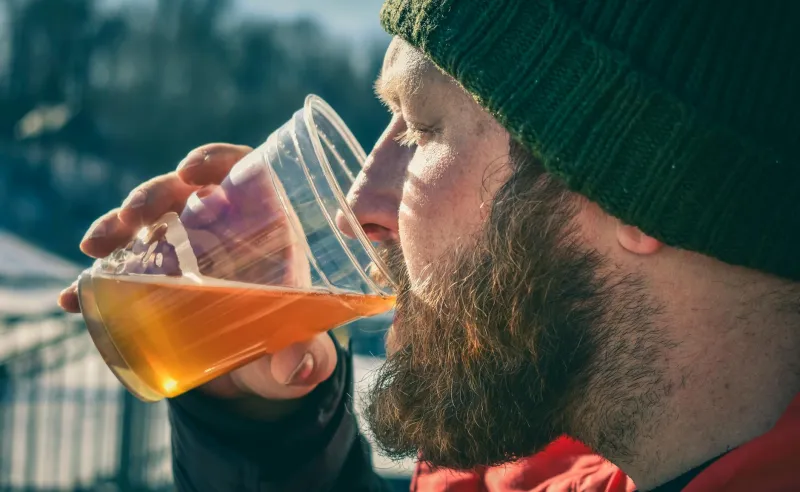
The St. Bernard Brandy Myth
Picture the classic image: a massive St. Bernard dog trudging through Alpine snow, a small barrel of brandy strapped around its neck, ready to revive stranded travelers with a life-saving sip. It's one of the most enduring images in popular culture, referenced in everything from cartoons to Christmas cards.
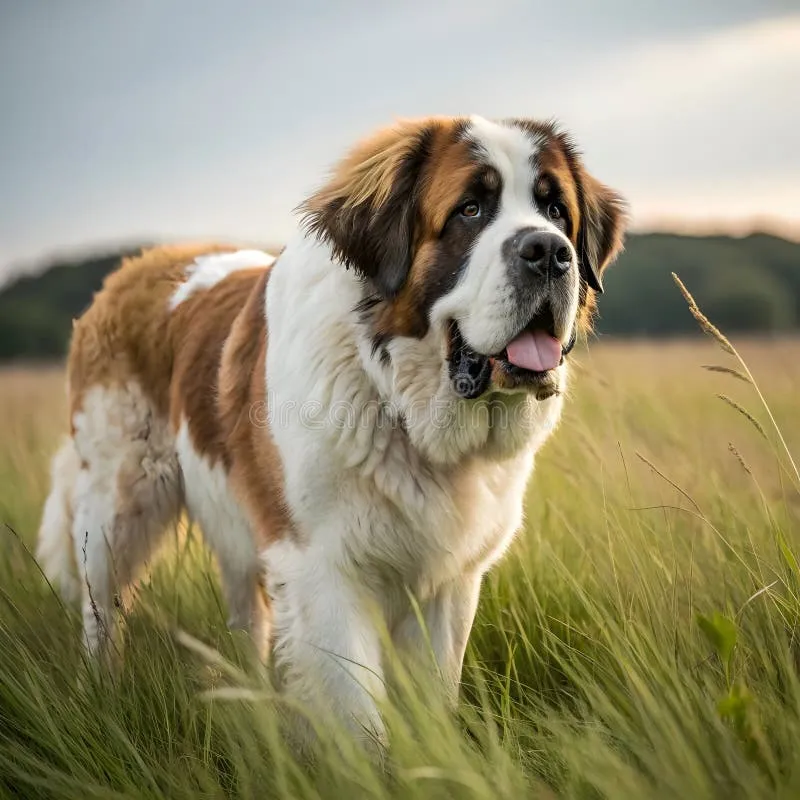 Photo: St. Bernard, via thumbs.dreamstime.com
The only problem? If those rescue dogs had actually carried brandy, and if stranded travelers had actually drunk it, the alcohol would have made their hypothermia significantly worse.
Yet the association between alcohol and warmth feels so natural, so obviously correct, that this myth persisted for decades and still influences how people think about cold weather survival.
Why Alcohol Feels Like Instant Warmth
The warming sensation from alcohol isn't imaginary — it's a real physiological response that your body interprets as increased heat. When you drink alcohol, it causes vasodilation, meaning your blood vessels expand, particularly those near your skin's surface.
This expansion allows more warm blood to flow to your extremities and skin, creating a genuine feeling of warmth in your hands, face, and other areas that might have felt cold. Your skin temperature actually does increase, and the sensation is immediate and noticeable.
For someone sitting in a heated room or wearing adequate clothing, this response is harmless and might even feel pleasant. The problem arises when that same response happens in genuinely cold conditions.
The Hidden Heat Loss Mechanism
While alcohol makes your skin feel warmer, it's actually accelerating heat loss from your body's core. Those dilated blood vessels that create the warming sensation are essentially opening up your body's heating system to the outside environment.
Under normal circumstances, your body responds to cold by constricting blood vessels near the skin, keeping warm blood concentrated around vital organs. This natural response prioritizes survival over comfort — your hands and feet might feel cold, but your heart, lungs, and brain stay warm.
Alcohol overrides this protective mechanism. Instead of conserving heat where you need it most, your cardiovascular system starts pumping warm blood to your skin, where it rapidly loses heat to the surrounding cold air.
How This Became Folk Medicine
The alcohol-warmth connection became embedded in folk medicine because the immediate sensation is so convincing. Someone feeling cold drinks alcohol, immediately feels warmer, and concludes that alcohol is an effective cold remedy.
This apparent cause-and-effect relationship was reinforced by cultural traditions across cold climates. Russian vodka, Irish whiskey, and Alpine schnapps all developed reputations as warming drinks, not because they actually prevented hypothermia, but because they provided immediate relief from the sensation of being cold.
The St. Bernard brandy legend specifically emerged in the 19th century, when the Hospice of Saint Bernard in the Swiss Alps was famous for rescuing travelers. The monks did use large dogs for rescue work, but they never carried alcohol. The brandy barrel imagery was created by artists and storytellers who assumed that alcohol would be the logical choice for reviving cold, exhausted travelers.
 Photo: Swiss Alps, via wallpaperaccess.com
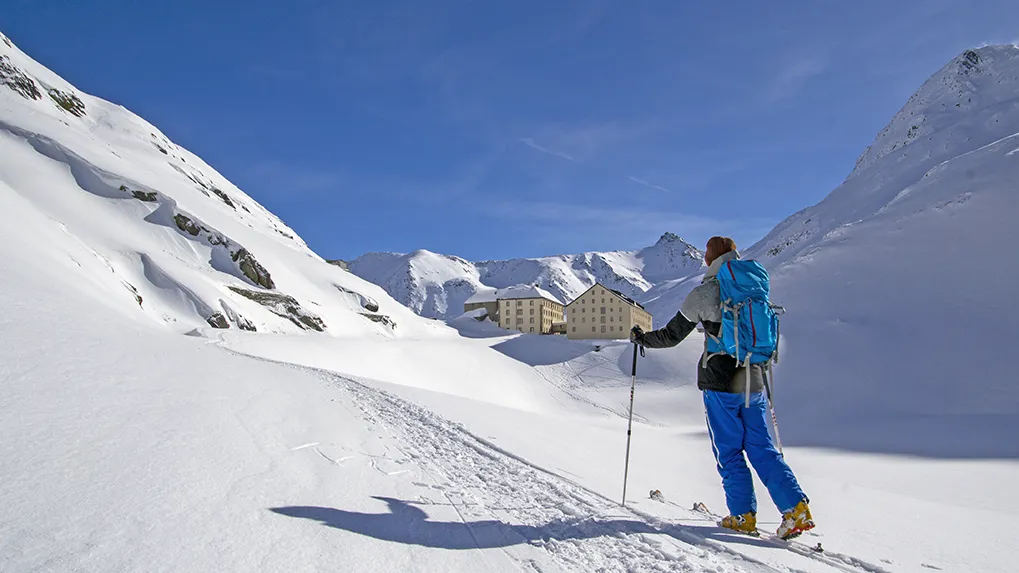 Photo: Hospice of Saint Bernard, via www.saint-bernard.ch
When Feeling Warm Becomes Dangerous
In genuinely cold conditions, the gap between feeling warm and actually being warm can be life-threatening. Alcohol doesn't just fail to prevent hypothermia — it actively makes hypothermia more likely by accelerating the loss of core body heat.
People who drink alcohol in cold weather often experience a false sense of security. They feel warmer, so they assume they're handling the cold better than they actually are. This can lead to poor decision-making: staying outside longer than safe, removing protective clothing, or failing to seek proper shelter.
Medical literature from the early 20th century is full of cases where alcohol consumption contributed to hypothermia deaths, particularly among people who were caught in winter storms or spent extended time outdoors in cold weather.
Modern Survival Science
Contemporary cold weather survival training explicitly warns against using alcohol as a warming strategy. Military survival manuals, mountaineering guides, and wilderness safety courses all emphasize that alcohol creates the illusion of warmth while actually increasing cold injury risk.
The physiological research is clear: alcohol consumption in cold environments increases heat loss, impairs judgment about cold exposure risk, and can mask the early symptoms of hypothermia that might otherwise prompt someone to seek shelter or add clothing.
Professional cold weather workers — from Arctic researchers to ski patrol members — are typically prohibited from consuming alcohol during shifts, not just because of impairment concerns, but because of the specific heat loss risks.
Why the Myth Persists
Despite decades of public health education, the alcohol-warmth connection remains deeply embedded in popular culture. Movies still show characters warming up with whiskey after cold exposure. Social media is full of jokes about "antifreeze" drinks during winter weather.
Part of the persistence comes from the immediate sensory experience being so convincing. Unlike many health myths that require believing abstract claims, the warming sensation from alcohol provides instant, tangible "evidence" that it works.
The myth also persists because alcohol does provide psychological comfort in cold conditions, and that comfort can feel indistinguishable from physical warmth. The relaxation and mood elevation from alcohol can make cold conditions feel more tolerable, even as they become more dangerous.
The Practical Takeaway
Understanding how alcohol affects body temperature regulation matters for anyone who spends time outdoors in winter, from casual hikers to people whose work requires cold weather exposure.
The key insight is recognizing that feeling warm and being warm are not the same thing. Alcohol can provide the sensation of warmth while actually making your body less capable of maintaining safe core temperature.
For actual cold weather warmth, the solutions are straightforward but less immediately gratifying: appropriate clothing, adequate shelter, physical activity to generate heat, and warm (non-alcoholic) beverages that provide calories without interfering with your body's natural temperature regulation.
The St. Bernard dogs, incidentally, were eventually retired from rescue work — not because of the brandy myth, but because helicopters became more effective for Alpine rescues. The real lesson from those legendary rescue dogs isn't about alcohol and warmth. It's about how convincing folk wisdom can be, even when it's potentially deadly.