Your Brain Actually Changes Wine's Taste Based on Price — And Sommeliers Admit It's Real

Your Brain Actually Changes Wine's Taste Based on Price — And Sommeliers Admit It's Real
When researchers at Stanford served the same wine to study participants but labeled one bottle $90 and another $10, something remarkable happened in brain scans: the pleasure centers literally fired differently. The expensive wine didn't just seem better — participants' brains processed it as genuinely more enjoyable. This isn't about wine snobbery or placebo effects. It's measurable neuroscience that reveals how price information physically alters taste perception.
The Neuroscience of Expectation
The Stanford study, published in the Journal of Wine Economics, used functional MRI to track brain activity while people tasted identical wines at different price points. When participants believed they were drinking expensive wine, their medial orbitofrontal cortex — the brain region associated with pleasure and reward — showed significantly higher activation levels.
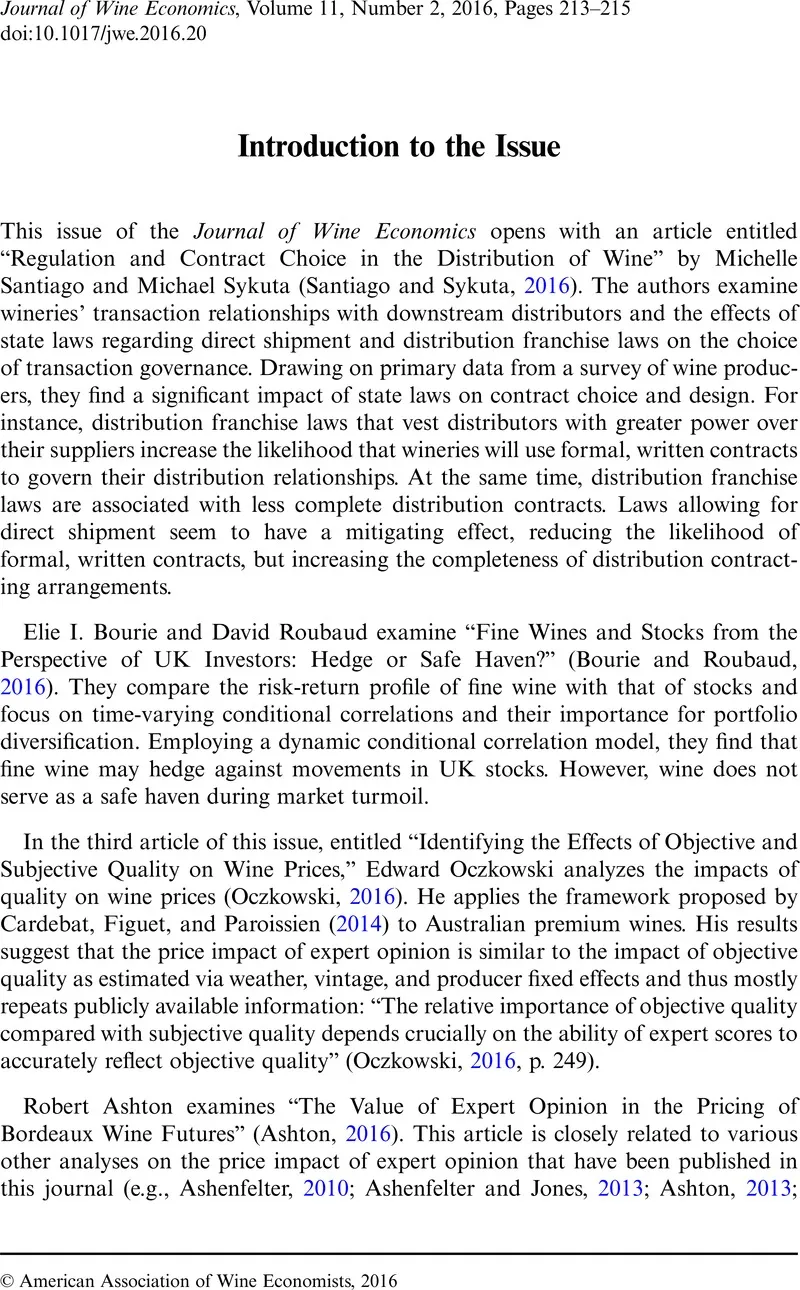 Photo: Journal of Wine Economics, via static.cambridge.org
This wasn't participants trying to seem sophisticated or falling for marketing. Their brains were genuinely experiencing more pleasure from the "expensive" wine, even though the liquid was identical. The expectation of quality, triggered by price, created a measurable neurological response that enhanced the actual sensory experience.
Similar studies at Caltech found that price expectations affect wine enjoyment across all experience levels. Interestingly, wine experts showed the same neurological price bias as casual drinkers, though they were slightly better at detecting quality differences in truly blind tastings.
What Wine Industry Insiders Know
Sommeliers and wine professionals privately acknowledge what brain science has proven: most consumers can't reliably distinguish between wines in similar price ranges through taste alone. A 2001 study published in the Journal of Wine Research found that even wine professionals struggled to consistently identify the same wine in repeated blind tastings.
This doesn't mean wine quality is meaningless, but it reveals that the relationship between price and taste is far more complex than industry marketing suggests. Professional wine buyers for restaurants often select wines based on factors that have little to do with flavor — production costs, brand recognition, and profit margins play larger roles than most diners realize.
The dirty secret of wine pricing is that production costs for wines between $15 and $50 per bottle often differ by less than $3. The price differences reflect marketing, distribution, and brand positioning rather than proportional quality improvements.
How Price Expectations Shape Reality
The brain's response to price information extends beyond wine to virtually all products where quality is subjective. When we know something costs more, our brains prepare for a better experience — and often deliver one through enhanced neural processing.
This mechanism evolved as a useful shortcut. In most markets, higher prices generally correlate with higher quality, so our brains learned to use price as a quality predictor. The wine industry has simply become exceptionally skilled at exploiting this neurological tendency.
Research shows that price-based taste enhancement works most effectively when:
- Quality differences are subtle or subjective
- Consumers have limited expertise in the category
- Social signaling plays a role in consumption
- The price difference seems significant but not absurd
Wine hits all these criteria perfectly, making it an ideal product for price-perception manipulation.
The Blind Tasting Reality Check
When price information is removed, wine preferences change dramatically. Blind tastings consistently reveal that:
- Expensive wines don't always rank higher than moderate-priced options
- Individual taste preferences vary wildly, regardless of price
- Many people prefer wines that cost under $20 when price isn't disclosed
- Professional ratings often don't align with consumer preferences in blind tests
One famous study gave wine experts the same bottle with different labels over several weeks. Their ratings varied by as much as 4 points on a 20-point scale, depending on the label and their expectations about the wine's origin and price.
Breaking Free from Price Bias
Understanding the neuroscience of price perception doesn't mean expensive wines are scams or that price never reflects quality. Instead, it suggests that your brain's response to wine involves much more than just taste.
If you want to discover your actual wine preferences without price bias:
- Try blind tastings with friends using paper bags to cover labels
- Focus on wines in the $10-25 range where quality-to-price ratios are often strongest
- Pay attention to your immediate reaction before reading about the wine's background
- Remember that the "best" wine is simply the one you enjoy most, regardless of cost
The Real Story About Wine and Value
The wine industry's pricing structure exploits a well-documented quirk of human neuroscience rather than reflecting linear quality improvements. Your brain genuinely experiences expensive wine as better, but this enhancement comes from expectation rather than the liquid itself.
This doesn't make wine appreciation fake or meaningless — it makes it human. Understanding how your brain processes price information can help you make choices based on actual preference rather than neurological manipulation. The goal isn't to eliminate the pleasure response to expensive wine, but to recognize when that response comes from your wallet rather than your taste buds.