Zero-Liability Fraud Protection Sounds Ironclad — Until You Read the Fine Print
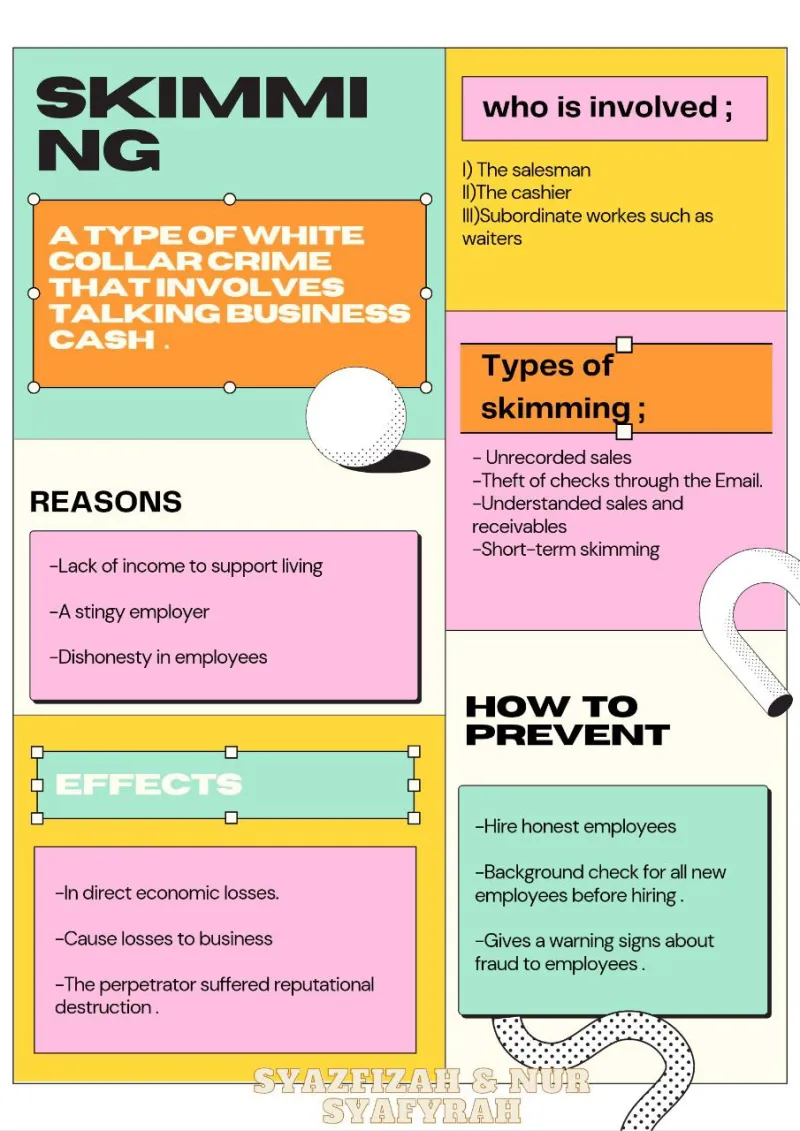
Photo: Nur Syahfyrah and Syazfizah Sabaruddin, CC BY-SA 4.0, via Wikimedia Commons
The ads are reassuring. Someone notices a strange charge on their statement, calls the number on the back of their card, and within moments a friendly representative has reversed the charge and sent a new card. Problem solved. Life continues. The message is clear: your credit card has your back.
That message isn't wrong exactly — credit card fraud protections in the US are genuinely strong compared to many alternatives. But the gap between what the commercials imply and what the policies actually guarantee is wider than most cardholders realize. And the place where that gap shows up most painfully is when someone needs to use the protection and finds out mid-dispute that they've missed a step, exceeded a window, or fallen into one of the categories the policy quietly doesn't cover.
What 'Zero Liability' Actually Means
Most major credit cards issued by Visa, Mastercard, American Express, and Discover carry some version of a zero-liability policy. The basic promise is that you won't be held responsible for unauthorized charges made on your account. On its face, that sounds comprehensive.
But the word "unauthorized" is doing a lot of work in that sentence, and card issuers define it more narrowly than most people assume.
An unauthorized charge, in the technical sense these policies use, is a transaction you didn't make and didn't give permission for. That covers the clearest fraud scenarios — a stranger uses your card number to buy something online, or a skimmer at a gas station captured your data and someone ran charges in another state. In those cases, the zero-liability protection is generally solid.
What it often doesn't cover is more complicated: a family member used your card without asking, a subscription you signed up for kept billing after you thought you'd canceled, or a merchant charged you more than the agreed amount. These situations involve disputed charges rather than strictly unauthorized ones, and they fall under a different — and more conditional — resolution process.
The Reporting Window Problem
One of the most commonly missed conditions in fraud protection policies is the reporting window. Federal law under the Fair Credit Billing Act gives cardholders 60 days from the date a statement is mailed to dispute a charge. Most card issuers have their own policies that are at least as generous as that baseline, but the clock starts running from a specific date — and many people don't check their statements closely enough to catch fraud within that window.
Sixty days sounds like plenty of time. But consider a realistic scenario: you get a statement, skim it, don't notice an unfamiliar charge buried among legitimate ones, and only catch it two months later when you're reviewing your account for tax purposes. At that point, depending on your issuer's specific policy, your claim may be denied or significantly harder to resolve.
Debit cards carry even stricter timelines under federal law — you have two business days to report a lost or stolen card to limit your liability to $50, and up to 60 days before your liability exposure becomes unlimited for transactions that appear on your statement. Credit cards are more forgiving by comparison, but the window still exists and still matters.
The Steps Most People Skip
Zero-liability policies also typically require cardholders to have used "reasonable care" in protecting their account. That phrase is vague by design, and issuers apply it inconsistently — but it creates room to deny claims in certain situations.
Sharing your card number or PIN with someone, even casually or with the expectation of limited use, can complicate a fraud claim if that person makes additional unauthorized charges. Using your card on a public Wi-Fi network to make purchases and then experiencing a data breach may not automatically qualify for zero-liability coverage depending on how the issuer interprets account security obligations.
There's also the matter of account security settings. Many card issuers now offer real-time transaction alerts, spending limits, and the ability to lock your card instantly through a mobile app. If your card offers these tools and you haven't used them, that doesn't void your protection — but in a disputed claim where the issuer is looking for reasons to push back, account security practices can become part of the conversation.
When Claims Get Denied
The most common reason fraud claims get denied isn't that the cardholder was dishonest. It's that the transaction technically doesn't meet the definition of unauthorized under the policy's terms.
Subscription billing is a significant gray area. If you signed up for a free trial, provided your credit card, and forgot to cancel before the trial ended, the resulting charge is not unauthorized in the legal sense — you authorized the merchant to charge you under specific conditions. Disputing it as fraud won't succeed, even if you genuinely didn't intend to be billed. The path forward is a dispute based on merchant error or a direct cancellation request, not a fraud claim.
Similarly, if you made a purchase and are unhappy with what you received, that's a billing dispute — potentially covered under separate "chargeback" rights — not a fraud claim. Many people conflate these two processes, and when they file under the wrong category, they're often surprised to find their claim rejected.
What Actually Protects You
The good news is that cardholders who understand the system are in a strong position. Credit cards offer genuinely better fraud and dispute protections than debit cards, cash, wire transfers, or peer-to-peer payment apps. The tools exist — they just require some active participation.
Checking your statement monthly, setting up transaction alerts, understanding the difference between unauthorized charges and billing disputes, and reporting suspicious activity quickly are the practical steps that make zero-liability protection work the way the commercials show it. None of this is burdensome. It mostly means reading what you already agreed to.
The Takeaway
Zero-liability fraud protection is real, and for clear-cut cases of unauthorized use, it holds up well. What it isn't is a blanket guarantee that covers every unwanted charge under every circumstance. The conditions, timelines, and definitions built into these policies are specific, and most cardholders won't encounter them until they're already in a dispute.
Knowing the rules before something goes wrong is a small investment that pays off exactly when you need it most.