That Little Glass Bowl Was Never a Home — It Was a Death Sentence Sold as a Starter Kit
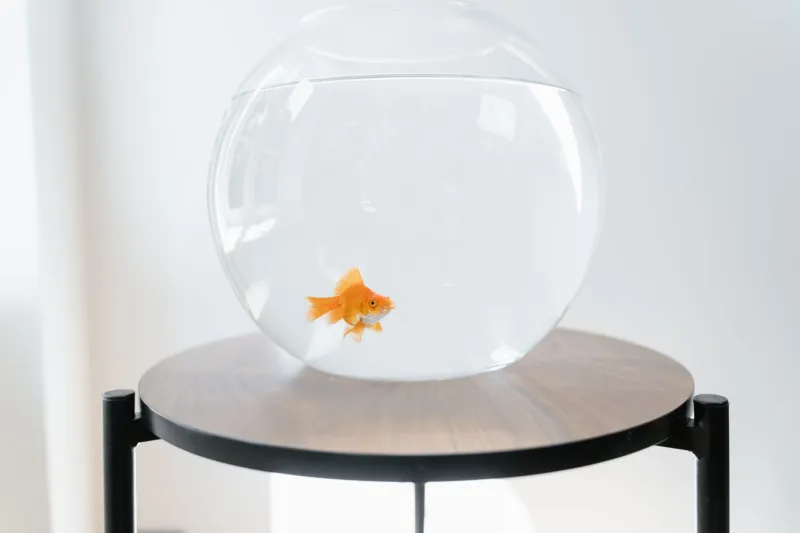
If you grew up in America, there's a decent chance you won or owned a goldfish at some point — maybe from a carnival game, maybe as a birthday gift — and it lived in a small glass bowl on a dresser or kitchen counter. Maybe it lasted a few weeks. Maybe a couple of months. You probably figured that was just how long goldfish lived.
It wasn't. And the pet industry understood that long before most consumers did.
What Everyone Assumes About Goldfish
The cultural image of a goldfish is inseparable from the image of a small, round bowl. It's in cartoons, in movies, in home décor. The setup feels so natural that questioning it almost seems strange — like asking why dogs sleep on the floor. It's just what goldfish do, right?
The assumption most Americans grew up with is that goldfish are simple, low-maintenance pets that thrive in minimal space. A little water, a little food, and you're done. The bowl became the universal symbol of easy pet ownership, practically a beginner's rite of passage.
The problem is that goldfish aren't simple creatures, and bowls aren't adequate environments. Not even close.
What Aquatic Biologists Actually Know
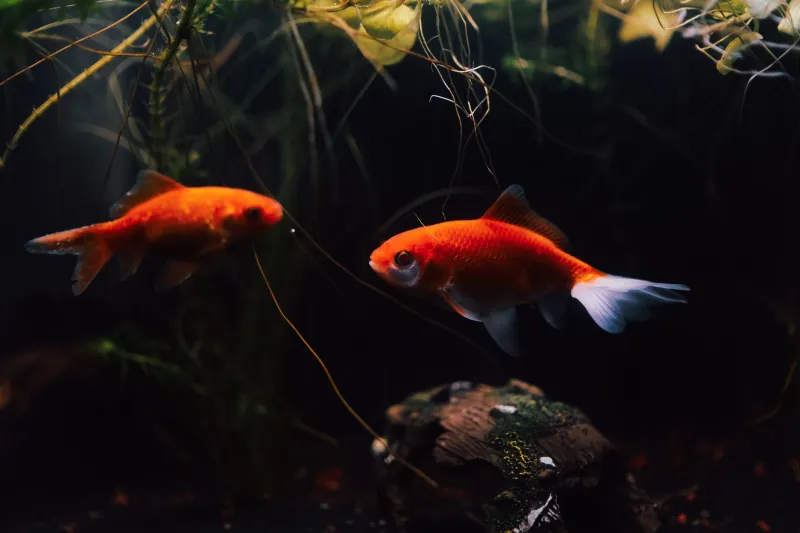
Goldfish — Carassius auratus — are cold-water fish that, under proper conditions, can live 10 to 15 years. Some well-kept specimens have reached 20 years or more. They're not fragile little things destined for a short life. They're surprisingly resilient animals when their actual needs are met.
 Photo: Carassius auratus, via www.vidnoz.com
Those needs, according to aquatic biologists and professional fishkeeping organizations, include three things a bowl fundamentally cannot provide:
Filtration. Goldfish are what hobbyists call "messy" fish — they produce a significant amount of waste relative to their body size. In an unfiltered bowl, that waste breaks down into ammonia, which is toxic. Without a biological filter to convert ammonia into less harmful compounds, water quality degrades rapidly. Even regular water changes can't fully compensate. A fish living in its own concentrated waste is under constant physiological stress.
Oxygenation. A small, still bowl has very limited surface area for gas exchange. Goldfish need well-oxygenated water. The classic image of a goldfish gulping at the surface isn't a quirky behavior — it's a distress signal. The fish is struggling to breathe.
Space. Goldfish grow. A healthy, well-fed goldfish can reach six to eight inches or more in a proper environment. In a bowl, growth is stunted — not because the fish is happy staying small, but because the poor water quality and physical constraints suppress normal development. Stunted growth in fish is associated with organ compression and shortened lifespan, not a natural size adjustment.
The American Veterinary Medical Association and numerous aquatic science organizations have long recommended that goldfish be kept in filtered aquariums with a minimum of 20 gallons for a single fish, with additional space for each additional fish.
 Photo: American Veterinary Medical Association, via staticg.sportskeeda.com
How the Bowl Became a Cultural Default
So if the science has been clear for decades, how did the bowl survive as the standard goldfish setup well into the 21st century?
The short answer is that it was profitable, and it was convenient for everyone in the supply chain to leave the myth alone.
Carnival goldfish games date back to the early 20th century, and the small bag or bowl became the standard delivery format by default — cheap, portable, and visually appealing. Pet stores then built entire starter-kit product lines around the bowl concept. Small bowls, small bags of gravel, small containers of food. The entry price was low, which brought customers in. The fish dying quickly brought customers back.
The pet retail industry's economic model around feeder goldfish — fish sold for cents, sometimes literally as reptile food — meant there was little financial pressure to educate buyers about proper care. A fish that lived three months instead of fifteen years wasn't a problem for the retailer. It was a repeat sale.
This isn't a conspiracy so much as a structural incentive. Nobody needed to hide the science. They just didn't need to advertise it.
The Aquarium Hobby Knew Better All Along
Serious fishkeepers — the hobbyist community that maintains planted tanks, breeds specialty fish, and participates in aquarium societies — have understood proper goldfish care for a long time. Aquarium clubs, specialty fish forums, and aquatic biology literature have consistently recommended filtered tanks and appropriate space for decades.
The knowledge wasn't secret. It just didn't filter down to the casual consumer buying a fish for a seven-year-old's bedroom.
In recent years, the message has spread more widely. Social media fishkeeping communities have pushed back hard against bowl culture, and some large pet retailers have updated their care guides to reflect modern standards. Several countries, including the UK, have moved to restrict or ban the sale of goldfish in bags at fairs and markets.
In the US, change has been slower, but awareness is growing. Search "goldfish care" online today and you'll find consistent guidance recommending filtered tanks of at least 20 gallons — a far cry from the pint-sized bowl sold at checkout counters for decades.
What Responsible Goldfish Care Actually Looks Like
If you're considering a goldfish — or reconsidering one you already have — the basics aren't complicated, but they do require more than a bowl:
- A filtered aquarium of at least 20 gallons for a single fish, larger for multiple fish
- A filter rated for the tank size, ideally with biological filtration media
- Regular partial water changes (roughly 25–30% weekly)
- A varied diet beyond plain flakes, which can cause digestive issues in goldfish
- Monitoring for ammonia, nitrite, and nitrate levels using basic test kits
None of this is exotic. It's the baseline that responsible fishkeeping has recommended for years.
The Takeaway
The goldfish bowl is one of those cultural images so deeply embedded that questioning it feels almost absurd — but the science was never ambiguous. Bowls lack filtration, oxygen exchange, and space. They convert a fish that could live for over a decade into something that barely survives a season.
The pet industry normalized a harmful setup because it was cheap, marketable, and profitable. The aquatic biology community knew better. The information just never made it onto the carnival prize table.
If you always assumed goldfish were fragile, short-lived pets, they aren't. The bowl was the problem, not the fish.
 Photo: United Kingdom, via wallup.net