The Swimming After Eating Scare That Launched a Million Pool Timeouts
The Great American Pool Timeout
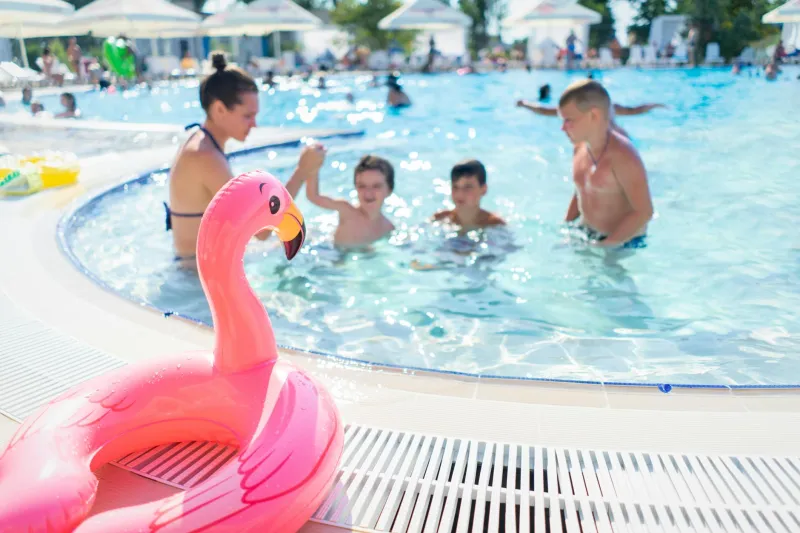
Every summer, the same scene plays out at pools across America: kids finishing lunch and immediately getting hit with the inevitable "You have to wait 30 minutes before going back in." It's become such a universal parenting rule that most adults can't remember where they first heard it—they just know it's something responsible parents do.
The logic seems straightforward enough: eating diverts blood flow to your digestive system, leaving your muscles without enough oxygen to function properly. Swim too soon after eating, and you'll get debilitating cramps that could cause you to drown. It's a scary enough scenario that generations of parents have built their pool schedules around it.
There's just one problem: this medical emergency has never actually been documented.
What Actually Happens When You Eat and Swim
Your body does redirect blood flow during digestion—that part is real. After a meal, blood vessels in your digestive tract expand to help process food, which means slightly less blood reaches your skeletal muscles. But "slightly less" doesn't translate to "dangerously insufficient."
Exercise physiologists have studied this extensively, and the blood flow changes during normal digestion aren't dramatic enough to impair muscle function in healthy people. Your muscles still receive plenty of oxygen to work normally, even during moderate swimming.
The American Red Cross, which has tracked drowning incidents for over a century, has no records of drownings caused by post-meal swimming cramps. The Centers for Disease Control and Prevention doesn't list "recent eating" among drowning risk factors. Even the American College of Sports Medicine, which issues detailed guidelines about exercise timing, doesn't recommend waiting periods between eating and swimming.
 Photo: American College of Sports Medicine, via jobstars.com
 Photo: Centers for Disease Control and Prevention, via cloudfront-us-east-2.images.arcpublishing.com
The Grain of Truth That Built a Myth
So where did this rule come from? Like many persistent health myths, it started with a small truth that got amplified beyond recognition.
Eating a large meal can cause mild stomach discomfort during vigorous exercise. If you've ever tried running immediately after Thanksgiving dinner, you know the feeling—it's unpleasant, but it's not dangerous. Some people might experience minor muscle cramps during intense activity on a very full stomach, but these are temporary inconveniences, not life-threatening emergencies.
The myth likely grew from this kernel of discomfort, combined with the natural parental instinct to create safety rules. Swimming feels more dangerous than other activities because drowning is such a visceral fear for parents. A rule that seemed to address both digestion and water safety had obvious appeal.
How Parental Wisdom Becomes Medical Fact
The 30-minute rule also benefited from perfect timing. It emerged during an era when scientific understanding of exercise physiology was limited, so there wasn't immediate expert pushback. By the time researchers had better data about digestion and muscle function, the rule was already embedded in American parenting culture.
Parental safety rules tend to be sticky because they're passed down as unquestioned wisdom rather than medical advice. Parents who learned the rule as children rarely thought to verify it with doctors—they just accepted it as common sense and passed it along. This created a feedback loop where the rule's ubiquity became evidence of its validity.
The specificity of "30 minutes" also gave the rule credibility. Vague advice like "wait a while" sounds arbitrary, but a precise time limit feels scientific, even when it isn't based on any actual research.
The Real Pool Safety Conversation
Ironically, the focus on post-meal timing may have distracted from actual drowning prevention. Real water safety is about supervision, swimming ability, and recognizing dangerous conditions—not meal schedules.
Children are more likely to drown because they're unsupervised or swimming beyond their skill level than because they ate a sandwich 20 minutes too recently. The most effective drowning prevention strategies involve constant adult supervision, swimming lessons, and pool barriers—none of which have anything to do with digestion.
Why the Myth Persists
The eating-before-swimming rule survives because it feels reasonable and costs nothing to follow. Unlike some health myths that require expensive supplements or complicated lifestyle changes, this one just asks parents to build in a brief waiting period. It's easy compliance that feels like responsible parenting.
The rule also serves a practical function beyond safety. It gives parents a built-in break after meals, prevents kids from swimming immediately after eating messily, and creates natural transitions between activities. Even if the medical reasoning is wrong, the behavioral outcome might still be convenient for family pool days.
The Bottom Line
You don't need to wait 30 minutes after eating before swimming. The dramatic muscle cramp scenario that justified generations of poolside timeouts has never been medically documented, and normal digestion doesn't impair muscle function enough to create drowning risks.
If you've just finished a huge meal and feel uncomfortably full, waiting a bit before vigorous exercise might prevent minor discomfort—but that's about personal comfort, not safety. For normal meals and normal swimming, the timing doesn't matter.
The real lesson here isn't about swimming or digestion. It's about how parental anxiety can transform minor inconveniences into major safety rules, and how those rules can persist long after the original reasoning has been debunked. Sometimes the most dangerous thing about a safety myth is how it distracts from actual safety measures that could make a real difference.