America's Vitamin C Cold Remedy Has Failed Every Major Study for Five Decades
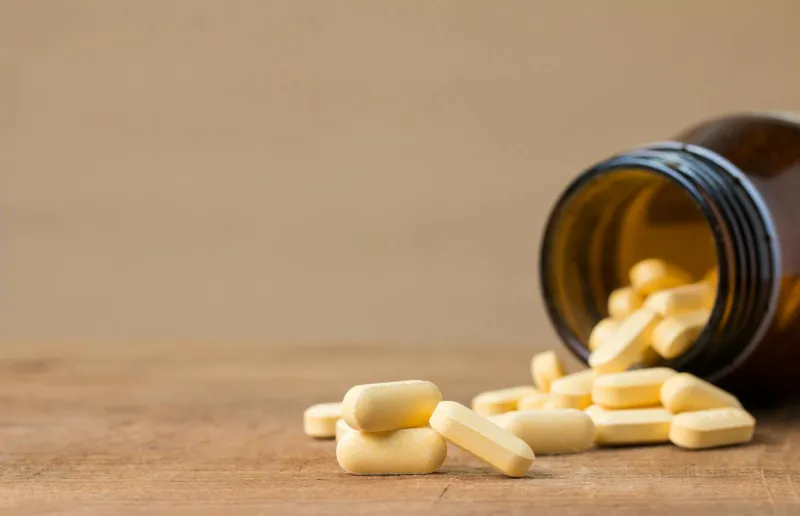
The Supplement Aisle Promise That Science Can't Support
Walk into any American pharmacy during cold season, and you'll find entire sections devoted to vitamin C supplements promising to "boost your immune system" and "fight off colds." The assumption seems logical enough: vitamin C is essential for immune function, so loading up on it should help your body fight infections. Yet after five decades of rigorous testing, the scientific evidence tells a dramatically different story.
The reality is that for the vast majority of people, taking vitamin C supplements neither prevents colds nor shortens their duration. This isn't a matter of needing more research — it's one of the most thoroughly studied questions in nutritional medicine, with consistent results that most Americans continue to ignore.
How One Nobel Laureate Started a National Obsession
The vitamin C and colds connection didn't emerge from folk wisdom or gradual cultural evolution. It has a specific origin point: Linus Pauling's 1970 book "Vitamin C and the Common Cold." Pauling, who had already won two Nobel Prizes (though neither in medicine), used his scientific credibility to argue that massive doses of vitamin C could prevent and treat common colds.
 Photo: Linus Pauling, via c8.alamy.com
Pauling's hypothesis wasn't entirely unreasonable. Vitamin C does play crucial roles in immune function, and severe deficiency causes scurvy, a disease that includes increased susceptibility to infections. But Pauling extrapolated from these facts to conclude that if some vitamin C is good for immunity, massive amounts must be better.
The book became a bestseller, and Americans embraced the idea with enthusiasm. Vitamin C sales skyrocketed, and the supplement industry discovered a goldmine that continues generating billions in revenue today.
What Fifty Years of Research Actually Shows
Since Pauling's book appeared, researchers have conducted dozens of randomized controlled trials testing whether vitamin C supplements prevent or treat colds. The results have been remarkably consistent: for most people, vitamin C supplementation makes no meaningful difference.
A comprehensive 2013 Cochrane review analyzed 29 studies involving more than 11,000 participants. The researchers found that regular vitamin C supplementation reduced cold duration by about 8% in adults and 14% in children — roughly half a day shorter for a typical week-long cold. The reduction in cold frequency was even less impressive: essentially zero for the general population.
The only group that showed significant cold prevention benefits were people engaged in extreme physical stress, like marathon runners and soldiers training in subarctic conditions. For these individuals, vitamin C supplementation roughly halved their cold risk. But for typical Americans going about their daily lives, the prevention effect was negligible.
Why the Myth Survives Despite the Evidence
If the science is so clear, why do Americans continue spending billions on vitamin C supplements for colds? Several factors keep this myth alive despite contradictory evidence.
First, the supplement industry has powerful financial incentives to maintain consumer belief in vitamin C's cold-fighting properties. Marketing campaigns consistently imply immune benefits without making specific medical claims that would require FDA approval.
Second, the logic feels intuitively correct. Most people know vitamin C is "good for your immune system," so taking extra during illness seems like obvious common sense. This intuitive reasoning often overrides abstract statistical evidence from clinical trials.
There's also the placebo effect and confirmation bias at work. People who take vitamin C when they feel a cold coming on may attribute any improvement to the supplement, even though they likely would have recovered at the same rate without it. The human tendency to remember hits and forget misses means successful recoveries get credited to vitamin C while failures get forgotten or attributed to other factors.
What Your Body Actually Needs During a Cold
The irony is that while vitamin C supplements don't help most people fight colds, other approaches with better evidence get less attention. Getting adequate sleep, staying hydrated, and washing hands frequently have much stronger scientific support for cold prevention and recovery.
For most Americans eating a reasonably varied diet, vitamin C deficiency is rare. A single orange contains about 70 milligrams of vitamin C — more than three-quarters of the daily recommended amount. The body can only absorb so much vitamin C at once, and excess amounts are simply excreted in urine.
The Real Lesson About Health Marketing
The vitamin C and colds myth reveals something important about how health beliefs spread and persist in American culture. A compelling story from a credible source can create lasting consumer behavior that survives decades of contradictory evidence.
This pattern repeats throughout the supplement industry, where products are marketed based on theoretical benefits rather than clinical proof. The vitamin C example shows how scientific-sounding logic can substitute for actual scientific evidence in the public mind.
Making Better Cold Season Decisions
Understanding the real research on vitamin C and colds doesn't mean completely avoiding supplements. For people with limited diets or specific health conditions, vitamin C supplementation might make sense for other reasons. But expecting it to prevent or cure colds sets up false expectations that waste money and may delay more effective treatments.
The next time you feel a cold coming on, save the money you'd spend on vitamin C supplements and invest it in extra sleep, proper hydration, and maybe some actual oranges. Your immune system will thank you more for the rest than the pills.