That Little Glass Bowl Is Slowly Killing Your Goldfish — Here's What They Actually Need
That Little Glass Bowl Is Slowly Killing Your Goldfish — Here's What They Actually Need
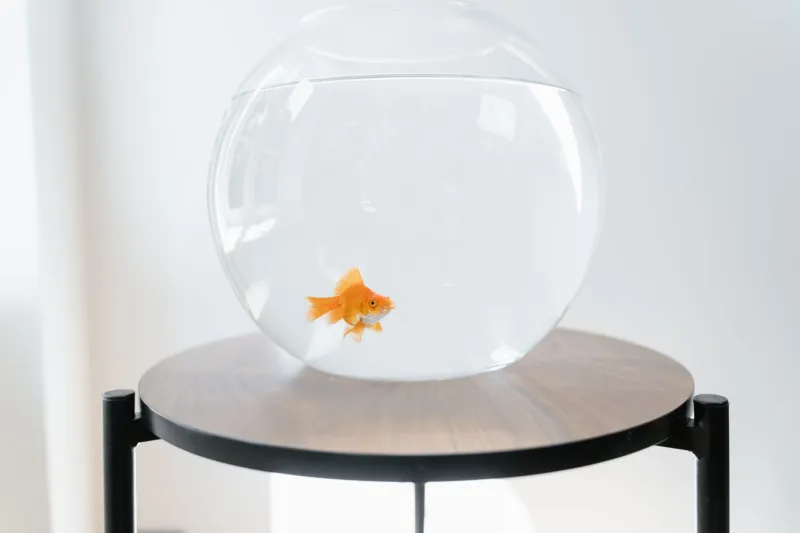
If you grew up in America, you probably have a mental image locked in somewhere: a small round glass bowl, a single orange fish swimming lazy circles, maybe a little plastic castle on the gravel floor. It's in cartoons, in movies, on greeting cards. It feels completely normal.
Except fishkeeping scientists have known for a long time that this setup is genuinely harmful to goldfish — and that most fish kept this way live a fraction of the lifespan they're actually capable of. The bowl isn't a home. It's closer to a slow-motion health crisis.
What a Goldfish Bowl Actually Does to a Fish
Let's start with the basics. Goldfish produce a significant amount of ammonia as waste — more than most small aquarium fish. In a properly filtered tank, beneficial bacteria break that ammonia down into less toxic compounds. In a small, unfiltered bowl, it just accumulates.
Ammonia poisoning doesn't kill a goldfish instantly. Instead, it causes chronic gill damage, suppresses immune function, and creates ongoing physiological stress. The fish isn't thriving — it's surviving in a state of low-grade toxicity.
Then there's oxygen. A fishbowl has a small surface area relative to its water volume, which limits the amount of oxygen the water can absorb from the air. Goldfish are actually high-oxygen-demand animals. They breathe harder in a bowl, which is why you'll often see them hovering near the surface — they're gasping, not exploring.
And the size itself matters more than most people realize. Goldfish don't stay small because they're naturally tiny. They stay small because they're stunted. When a goldfish is kept in a cramped, low-quality environment, its body suppresses growth as a stress response. A common goldfish in proper conditions can reach 10 to 12 inches and live 10 to 15 years. The carnival fish that died after three weeks wasn't living its natural life — it was cut short by its container.
How the Fishbowl Became an American Icon
So how did something so harmful become so culturally embedded? A few forces converged.
Carnival goldfish games became popular in the early 20th century, and the fish were handed out in small bags or placed in simple bowls because they were cheap, portable, and visually appealing. Nobody was thinking about long-term husbandry. The fish were essentially prizes, not pets, and the bowl was just the cheapest vessel that held water.
Hollywood did the rest. The fishbowl became a visual shorthand — a lonely fish in a bowl is a classic image for isolation, boredom, or quiet domesticity. It showed up in films, TV shows, and commercials so consistently that it stopped looking like a choice and started looking like a fact of nature.
Pet stores reinforced the loop. Bowls were cheap to stock and easy to sell alongside a single fish. The markup on a $2 fish and a $5 bowl was simple retail math. Nobody on the sales floor was explaining nitrogen cycles or oxygen exchange rates.
What Goldfish Actually Need
This is where the story gets genuinely interesting, because goldfish are not the simple, low-maintenance animals their reputation suggests.
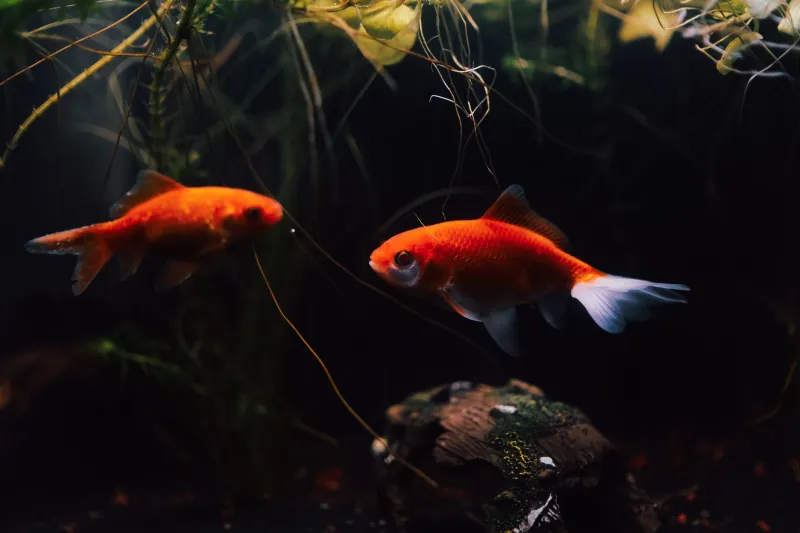
A single common goldfish needs a minimum of 20 gallons of filtered, cycled water. Fancy goldfish — the rounder, double-tailed varieties — need at least 10 gallons per fish with strong filtration because their bodies are less efficient swimmers and produce even more waste. The tank needs a filter running constantly to maintain the bacterial colonies that process ammonia. Water temperature should stay between roughly 65 and 72 degrees Fahrenheit, and the tank should be cycled — meaning the bacterial ecosystem should be established — before the fish ever goes in.
Goldfish also benefit from space to swim. They're active animals. They investigate their environment, recognize their owners (research has shown goldfish can learn to associate specific humans with feeding), and show behavioral signs of stress when overcrowded or understimulated.
None of this is exotic or expensive at the hobby level. A basic 20-gallon starter tank with a filter runs $60 to $100. It's not a massive investment. The barrier isn't cost — it's that nobody told most Americans this was necessary in the first place.
Why the Myth Keeps Circulating
Part of the problem is that goldfish die quietly. They don't make noise. They don't show obvious distress the way a dog or cat might. A fish hovering near the surface or losing color is suffering, but most owners interpret it as normal fish behavior because they've never seen a healthy goldfish in a proper environment.
There's also a perception issue around goldfish as disposable pets. Because they're cheap and associated with carnival prizes, many people don't extend the same care instincts they'd apply to a dog or even a hamster. The low price point signals low value, and that framing sticks even when the animal's actual needs are well understood.
Aquarium hobbyist communities have been pushing back on fishbowl culture for years, and many modern pet store employees will tell customers the truth if asked. But the default image — the bowl, the single fish, the plastic castle — hasn't changed in popular culture.
The Takeaway
Goldfish are genuinely interesting, long-lived animals that have been done a disservice by the container we've decided represents them. The fishbowl isn't a natural habitat or even a passable substitute — it's an artifact of carnival economics and Hollywood aesthetics that somehow became pet care gospel.
If you have a goldfish in a bowl right now, the fix isn't complicated: a proper filtered tank changes everything. And if you're thinking about getting one, skip the bowl entirely. The fish you end up with — healthy, full-sized, and living for a decade — will look almost nothing like the stressed little animal circling a glass sphere. That's actually the point.