Why Everyone Thinks Napoleon Was a Short Guy When He Was Actually Average Height

The Short Napoleon Story Everyone Knows
Ask anyone about Napoleon Bonaparte, and chances are they'll mention his height—or lack thereof. The image of the diminutive French emperor compensating for his small stature through military conquest has become so embedded in popular culture that "Napoleon complex" is now a recognized psychological term. But here's the thing: Napoleon wasn't actually short.
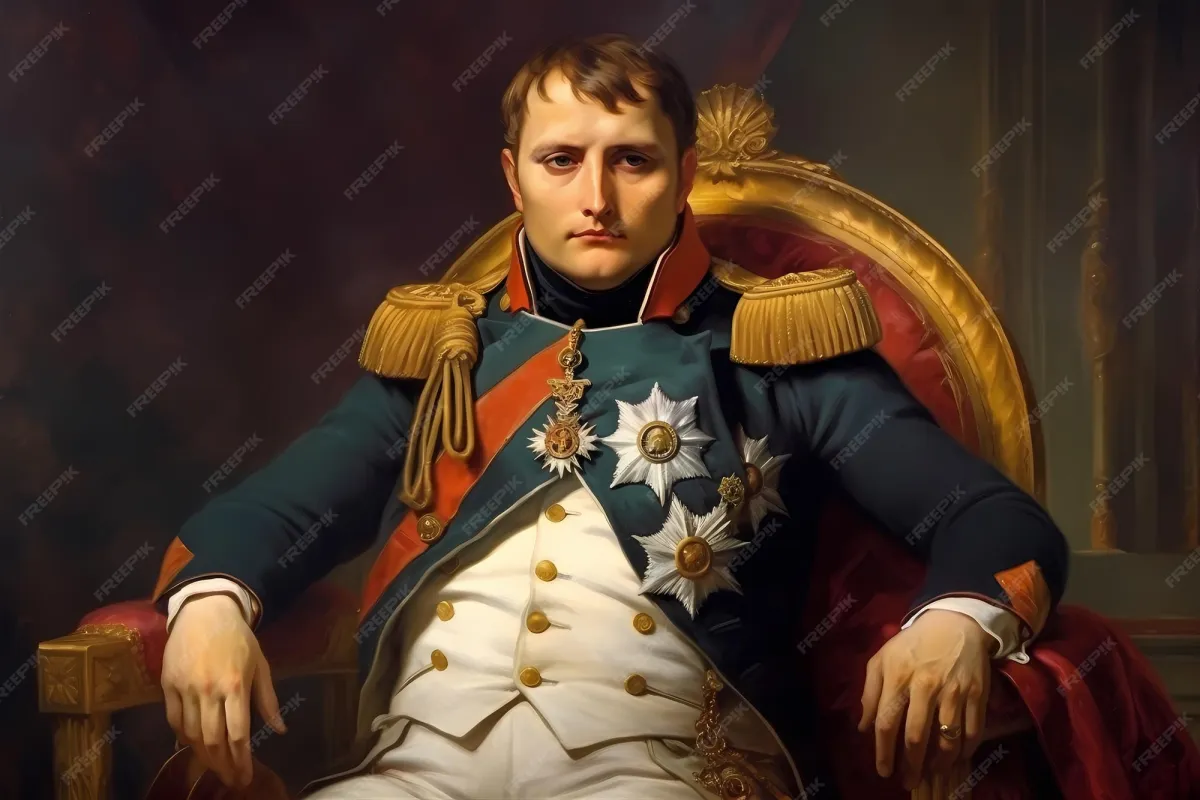 Photo: Napoleon Bonaparte, via img.freepik.com
The Real Numbers Behind the Height Myth
Napoleon stood approximately 5 feet 7 inches tall, which was completely average—even slightly above average—for French men of his era. In the early 1800s, the average height for European men hovered around 5'4" to 5'6", making Napoleon's stature unremarkable by any standard of his time.
So where did this persistent myth come from? The answer involves a perfect storm of wartime propaganda, measurement confusion, and the lasting power of political cartoons.
When British Propaganda Created a Lasting Image
The "short Napoleon" narrative began as a deliberate British propaganda campaign during the Napoleonic Wars. British cartoonists, particularly James Gillray, consistently depicted Napoleon as comically small in their satirical drawings. These weren't meant to be accurate representations—they were psychological warfare designed to diminish the French emperor's imposing reputation.
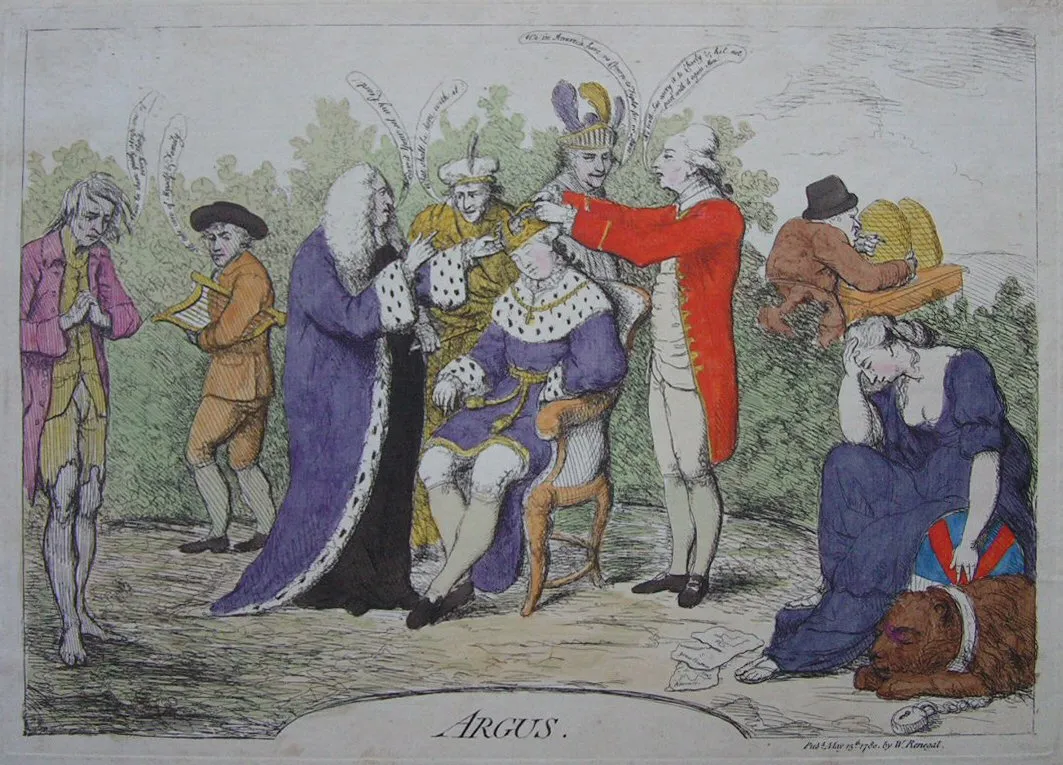 Photo: James Gillray, via www.rareoldprints.com
Gillray's cartoons showed Napoleon as a tiny figure dwarfed by other European leaders, often portrayed as a child or a petulant dwarf. These images spread throughout Britain and its allies, creating a visual narrative that had nothing to do with reality and everything to do with making the enemy appear less threatening.
The Measurement Mix-Up That Fooled Everyone
The confusion deepened because of a genuine measurement discrepancy. When Napoleon died in 1821, his autopsy recorded his height as 5 pieds du roi 2 pouces—French units that translated to about 5'7" in English measurements. However, French and English inches weren't identical. The French pouce was slightly longer than the English inch, which led to translation errors.
Some English sources incorrectly converted his height to around 5'2" using English measurements, not accounting for the difference in units. This "official" shorter height gave credibility to the British propaganda images that were already circulating.
Why the Imperial Guard Made Things Worse
Napoleon's personal bodyguards, the Imperial Guard, were specifically chosen for their imposing height—many stood over 6 feet tall. When Napoleon appeared alongside these giants, he naturally looked smaller by comparison. This visual contrast reinforced the perception of a short emperor, even though he was surrounded by men who were unusually tall for the period.
 Photo: Imperial Guard, via i.pinimg.com
Photographs didn't exist yet, so most people's visual reference for Napoleon came from paintings and drawings where artists could manipulate proportions for dramatic effect. Standing next to his towering guards in formal portraits only amplified the illusion.
How Wartime Jokes Became Historical "Facts"
The British weren't just making jokes—they were crafting a narrative that would outlast the war itself. By consistently portraying Napoleon as physically diminutive, they created a psychological association between his military ambitions and supposed physical inadequacy. The implication was clear: only a man insecure about his height would need to conquer Europe to prove himself.
This narrative proved so effective that it survived Napoleon's exile, death, and the eventual end of British-French hostilities. Even after the political motivations disappeared, the image remained embedded in popular consciousness.
Why We Still Believe It Today
The Napoleon height myth persists because it fits a compelling psychological narrative. The idea of a short man wielding enormous power feels like poetic justice—David versus Goliath in reverse. It's the kind of story that feels true even when it isn't, which makes it remarkably resistant to correction.
Modern psychology has even adopted the "Napoleon complex" as shorthand for aggressive behavior supposedly motivated by insecurity about height. This gives the myth scientific-sounding credibility, even though it's based on a historical fiction.
The Real Takeaway About Historical Memory
The Napoleon height myth reveals something important about how historical memory works. Once a narrative takes hold—especially one that serves political purposes or fits psychological expectations—it can become nearly impossible to dislodge, even with clear evidence to the contrary.
British propagandists probably never imagined their wartime cartoons would still be shaping how people think about Napoleon two centuries later. But they created something more durable than any military victory: a false story that feels true enough to survive indefinitely.
The next time someone mentions Napoleon's height, you'll know the real story. He wasn't short—he was just the victim of really effective enemy propaganda that outlasted the empire it was designed to mock.