Clear Check Facts The real story behind what everyone believes

Clear Check Facts

The real story behind what everyone believes

Latest Articles

Your Office Feels Like a Refrigerator Because the Thermostat Was Designed for a Man Who Doesn't Work There Anymore
Health

Your Office Feels Like a Refrigerator Because the Thermostat Was Designed for a Man Who Doesn't Work There Anymore

If you've ever spent a workday wrapped in a cardigan while your colleague seems perfectly comfortable, the problem isn't the HVAC system — it's a six-decade-old thermal comfort formula. The standard that governs office temperatures was built around the body of a 154-pound man, and it was never meaningfully updated. Millions of workers, disproportionately women, have been shivering through the consequences ever since.
That Little Glass Bowl Is Slowly Killing Your Goldfish — Here's What They Actually Need
Health

That Little Glass Bowl Is Slowly Killing Your Goldfish — Here's What They Actually Need

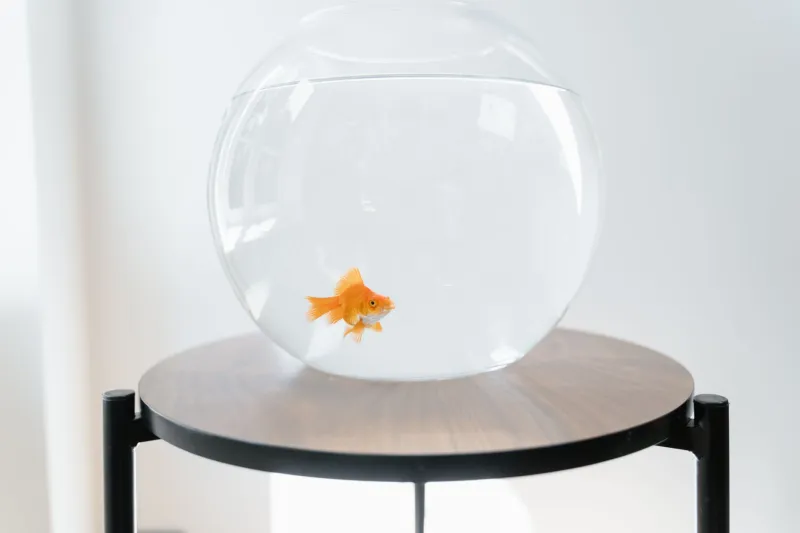
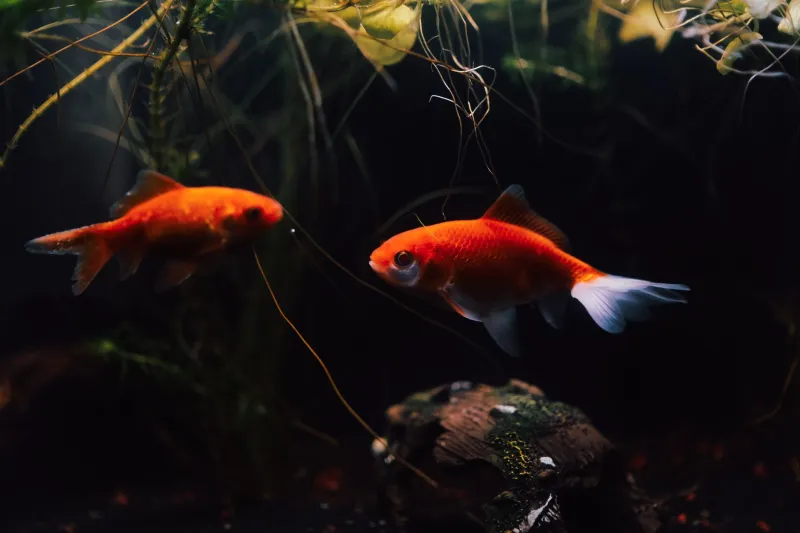
The fishbowl is one of the most iconic images in American pet culture — and one of the most damaging environments you can put a goldfish in. Scientists who study aquatic animals have understood this for decades, but the cultural image of a goldfish circling a small glass bowl has proven nearly impossible to shake. Here's what's really going on inside that bowl, and why your childhood carnival prize deserved a lot better.

Zero-Liability Fraud Protection Sounds Ironclad — Until You Read the Fine Print
Finance

Zero-Liability Fraud Protection Sounds Ironclad — Until You Read the Fine Print

Credit card commercials make fraud protection sound like an invisible force field around your account — seamless, automatic, and guaranteed. The reality involves specific reporting windows, cardholder obligations, and a list of situations where coverage quietly doesn't apply. Most people only find out about the conditions when they're already in the middle of a dispute.

American Tipping Culture Isn't About Generosity — It's Filling a Wage Gap That Employers Created
Finance

American Tipping Culture Isn't About Generosity — It's Filling a Wage Gap That Employers Created

Most Americans think of tipping as a way to say thank you for good service. But the reason tipping is so deeply embedded in US restaurant culture — and why the expected percentage keeps climbing — has less to do with gratitude and more to do with a wage exemption that lets employers pay certain workers below the federal minimum. Understanding how that system works changes the way the transaction looks entirely.

Tequila Doesn't Make You Mean and Wine Doesn't Give You Headaches — Your Brain Is Making That Up
Health

Tequila Doesn't Make You Mean and Wine Doesn't Give You Headaches — Your Brain Is Making That Up

People swear that tequila turns them aggressive, red wine triggers headaches, and beer keeps things mellow. Controlled research tells a different story — one where expectation, setting, and cultural storytelling do most of the heavy lifting. The science of why we're so convinced the type of alcohol matters is more interesting than the myth itself.

That Little Glass Bowl Was Never a Home — It Was a Death Sentence Sold as a Starter Kit
Health

That Little Glass Bowl Was Never a Home — It Was a Death Sentence Sold as a Starter Kit

For generations, Americans assumed a small glass bowl was a perfectly reasonable place to keep a goldfish. Aquatic biologists have known for decades that it's closer to a slow-motion harm chamber. Here's how the image stuck around long after the science moved on.

Ophthalmologists Have Been Saying It for Years: Reading in the Dark Won't Blind You
History

Ophthalmologists Have Been Saying It for Years: Reading in the Dark Won't Blind You

Every American kid heard it: stop reading in the dark or you'll ruin your eyes. It turns out ophthalmologists have never had the science to back that warning up. Here's where the rule actually came from, what eye strain really is, and what genuinely does carry long-term risk for your vision.

Sunscreen Doesn't Expire the Way You Think — And the Industry Knows It
Health

Sunscreen Doesn't Expire the Way You Think — And the Industry Knows It

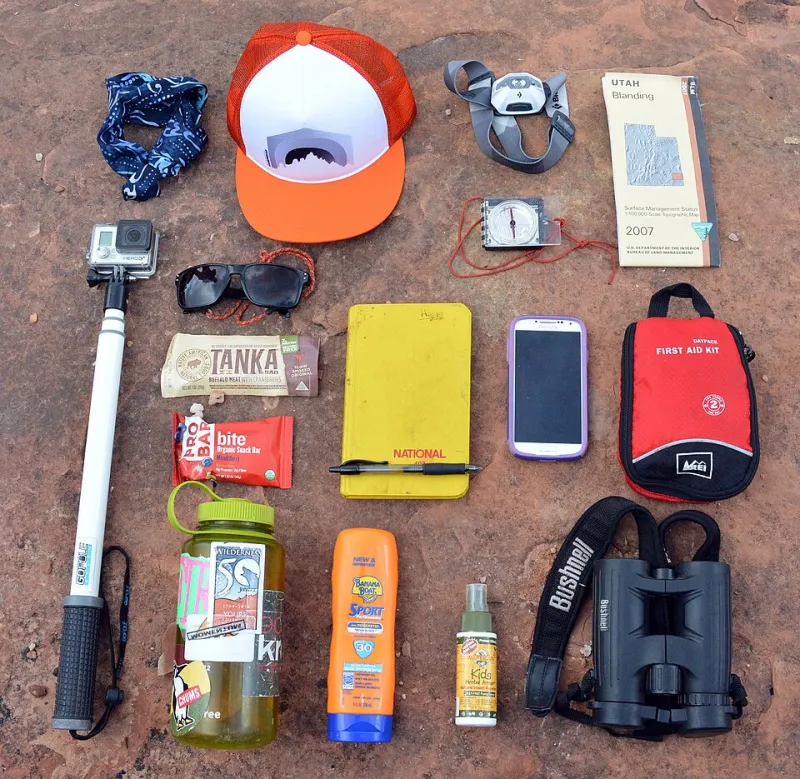
Most Americans toss their sunscreen the moment the stamped date passes, assuming the product turns useless or dangerous overnight. But the FDA's actual guidelines and independent dermatological research tell a far more complicated story — one where storage conditions matter more than the calendar, and where the beauty industry has a financial stake in keeping you anxious about that date.

A Nobel Prize Started the Left Brain / Right Brain Myth — But the Winner Would Barely Recognize What It Became
History

A Nobel Prize Started the Left Brain / Right Brain Myth — But the Winner Would Barely Recognize What It Became

Roger Sperry's split-brain research earned him a Nobel Prize in 1981 and genuinely advanced our understanding of how the two brain hemispheres communicate. What it did not do was establish that some people are logical left-brain thinkers and others are creative right-brain types — that part was invented afterward by self-help authors and personality test companies who borrowed the prestige of the science without the substance.

Math Anxiety Isn't a Personality Trait — It's Usually the Aftermath of One Bad Classroom Experience
Health

Math Anxiety Isn't a Personality Trait — It's Usually the Aftermath of One Bad Classroom Experience

Millions of American adults casually describe themselves as "not math people," treating it like an inherited trait they were simply born without. But decades of cognitive science research points to a very different explanation — one rooted in how math gets taught, how early confidence shapes long-term ability, and why the countries beating the US in math scores don't believe in "math people" at all.

Why American Eggs Need the Fridge and European Eggs Don't — It All Comes Down to One Industrial Step
History

Why American Eggs Need the Fridge and European Eggs Don't — It All Comes Down to One Industrial Step

Americans traveling through Europe are often surprised — sometimes alarmed — to find eggs sitting out on unrefrigerated grocery store shelves. It looks like a food safety oversight, but it's actually the result of two entirely different processing systems that each consider the other's approach to be the riskier one.

The Good Cholesterol, Bad Cholesterol Story Is More Complicated Than Your Doctor's Office Poster Suggests
Health

The Good Cholesterol, Bad Cholesterol Story Is More Complicated Than Your Doctor's Office Poster Suggests

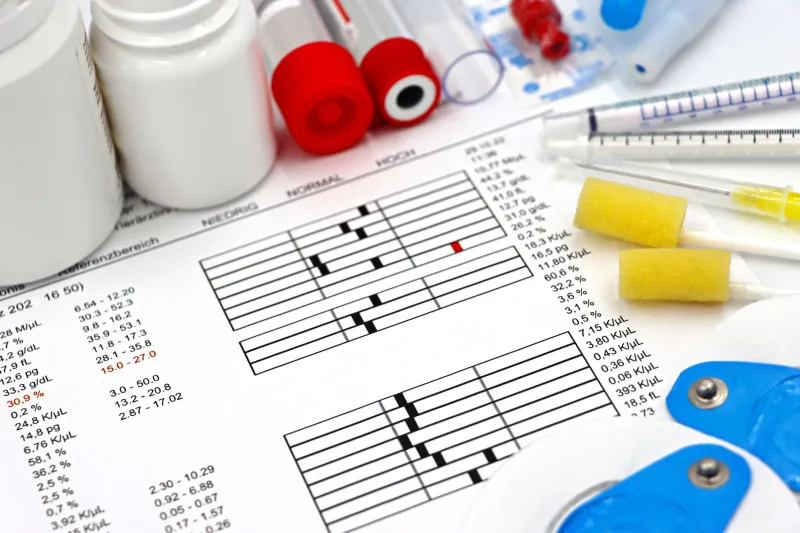
For decades, Americans have been told the goal is simple: raise your HDL, lower your LDL, and your heart health is on track. But cardiovascular researchers have quietly been rewriting that story, and the neat two-column version most of us learned at annual checkups has some significant holes in it.

That Expiration Date on Your Sunscreen Is Mostly a Business Decision
Health

That Expiration Date on Your Sunscreen Is Mostly a Business Decision

Most Americans toss last summer's sunscreen the moment they spot an expired date, assuming the lotion has turned dangerous overnight. But that printed date is less about your safety and more about manufacturer liability — and the conditions your sunscreen lived through matter far more than any number on the bottle.

The Brain Training Industry Built an Empire on Neuroscience That Doesn't Exist
Tech

The Brain Training Industry Built an Empire on Neuroscience That Doesn't Exist

Corporate America spent decades categorizing employees as "left-brained" or "right-brained" thinkers, despite neuroscientists never endorsing this model. The real story reveals how legitimate brain research got twisted into profitable personality assessments.

Your Pet Hamster Is Smarter Than Most Scientists Admitted Until Very Recently
Health

Your Pet Hamster Is Smarter Than Most Scientists Admitted Until Very Recently

Decades of research assumed only humans and a few large mammals could solve complex problems or show emotional intelligence. New neuroscience reveals we've been dramatically underestimating creatures from goldfish to bees.

Opening Windows for Fresh Air Actually Works Against Physics, Not With It
Tech

Opening Windows for Fresh Air Actually Works Against Physics, Not With It

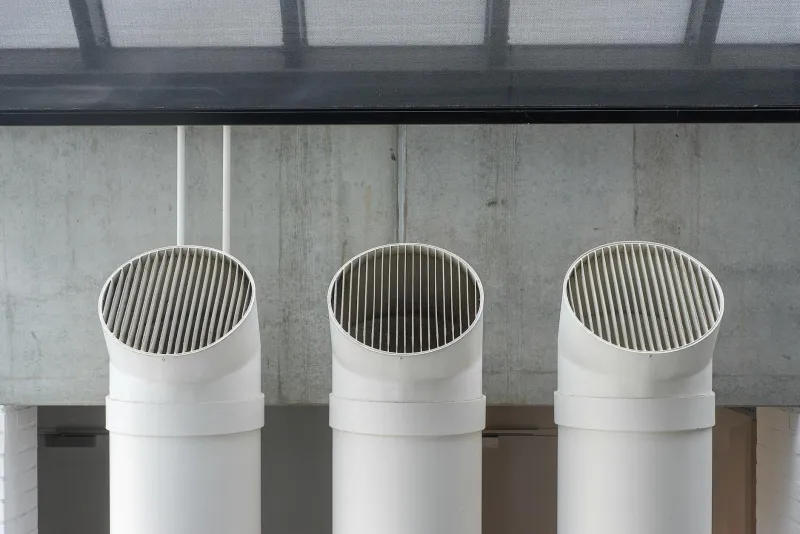
The instinct to crack open a window in a stuffy room feels logical, but building science reveals this approach often does the opposite of what people intend. Understanding air pressure changes everything about indoor ventilation.

The Organic Food Premium Pays for a Label That Doesn't Mean What Most Shoppers Think
Finance

The Organic Food Premium Pays for a Label That Doesn't Mean What Most Shoppers Think

Americans pay 20-40% more for organic food believing it's pesticide-free and more nutritious, but USDA organic certification allows dozens of synthetic chemicals and shows mixed evidence on nutritional benefits. Understanding what organic actually guarantees helps make smarter grocery spending decisions.

America's Vitamin C Cold Remedy Has Failed Every Major Study for Five Decades
Health

America's Vitamin C Cold Remedy Has Failed Every Major Study for Five Decades

Despite fifty years of research consistently showing vitamin C doesn't prevent or cure colds for most people, Americans spend billions on supplements every winter. The persistence of this belief traces back to one Nobel Prize winner's influential book and reveals how intuitive health logic can override scientific evidence.

The Sleep Disruption Rules Everyone Mixes Up: Nightmares vs. Sleepwalking
Health

The Sleep Disruption Rules Everyone Mixes Up: Nightmares vs. Sleepwalking

The widespread belief that you should never wake someone from sleep has merged two completely different scenarios with opposite recommendations. While waking someone from a nightmare is harmless and often helpful, the sleepwalking warning exists for entirely different safety reasons that most people misunderstand.

The Single Letter That Turned America Against MSG Despite Zero Scientific Evidence
History

The Single Letter That Turned America Against MSG Despite Zero Scientific Evidence

MSG became America's most feared food additive after one doctor's vague 1968 letter about feeling unwell at a Chinese restaurant. Decades of research have found no evidence supporting MSG dangers, but the myth persists—revealing more about cultural bias than food science.