The Word 'Superfood' Has No Scientific Meaning — And That's Exactly Why It Sells So Well
A Label That Feels Like Science Without Being Any
If you asked most Americans what makes a food a "superfood," you'd get answers that sound reasonable. High in antioxidants. Packed with nutrients. Unusually good for your health. The term carries real authority in the grocery aisle and on social media, where it functions almost like a certification.
But here's the thing: there is no certification. The word "superfood" is not recognized by the FDA, the USDA, or any mainstream nutritional science body. It has no legal definition in the United States. No food has to meet any particular standard to be marketed that way. Any company can slap the word on any product, and many of them do.
That's not a technicality. It's the entire business model.
Where the Term Actually Came From
The word "superfood" has a surprisingly mundane origin. Food historians trace its early commercial use to the early 20th century, when the United Fruit Company — the banana industry giant — ran marketing campaigns describing bananas as an extraordinary health food. The messaging was designed to drive consumption, not inform nutrition.
The term drifted in and out of use for decades before exploding in the early 2000s alongside the rise of wellness culture, celebrity diets, and the internet's ability to spread health claims at scale. Blueberries were an early modern example — they became synonymous with antioxidants after a series of studies in the late 1990s highlighted their polyphenol content. The research was real, but the leap from "contains beneficial compounds" to "superfood" was a marketing translation, not a scientific one.
The European Union actually moved to ban the use of the term in food marketing back in 2007 unless accompanied by a specific, approved health claim. The US never followed suit. And without regulatory pressure, the label has only grown more ubiquitous.
The Antioxidant Story Got Oversimplified in a Hurry
A lot of the superfood narrative rests on antioxidants — compounds that neutralize free radicals in laboratory settings. The logic goes: free radicals damage cells, antioxidants stop free radicals, therefore foods high in antioxidants protect your health.
That chain of reasoning made intuitive sense, and it generated enormous consumer enthusiasm throughout the 2000s. The problem is that the leap from "antioxidants work in a petri dish" to "eating this berry will protect your heart" is much bigger than the marketing made it seem.
Large-scale human trials on antioxidant supplementation have repeatedly failed to show the benefits that laboratory studies suggested. Some high-dose antioxidant supplements have actually been associated with worse outcomes in certain populations. The human body's relationship with oxidative stress is complicated — some of it is actually necessary for normal cellular function. Flooding the system with antioxidants from a "superfood" powder doesn't map onto that biology in a clean way.
Nutritional science as a field is genuinely difficult. Foods contain thousands of compounds that interact with each other and with human metabolism in ways that resist simple cause-and-effect conclusions. The superfood label papers over all of that complexity with a single reassuring word.
The Price Premium Is the Real Story
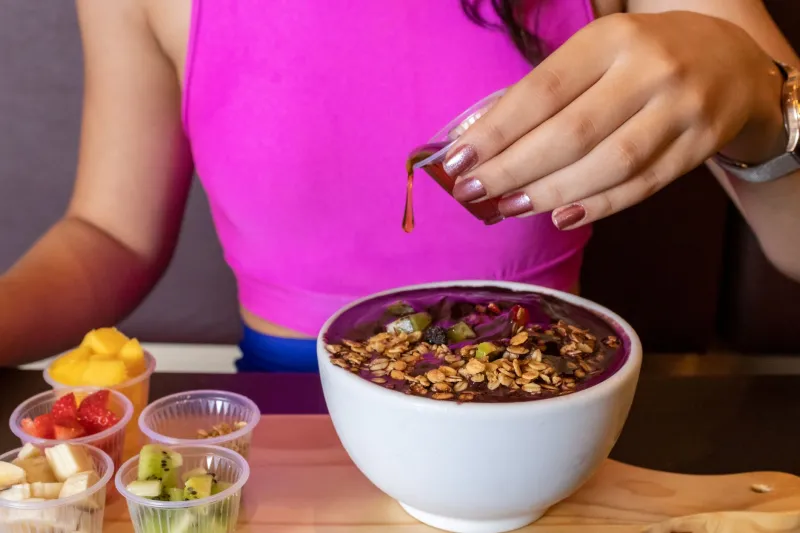
Where the superfood label becomes worth scrutinizing is at the cash register. Acai bowls at trendy breakfast spots can run $14 to $18. Bags of dried goji berries are priced at several times the cost of raisins with comparable nutritional profiles. Moringa powder, spirulina capsules, and ceremonial-grade matcha all carry price points that reflect their status as superfoods rather than their demonstrated health value.
A 2018 analysis by nutrition researchers found that many foods commonly labeled superfoods — chia seeds, quinoa, hemp hearts — had nutrient profiles that were broadly similar to cheaper, less fashionable alternatives. Flaxseed, for instance, offers comparable omega-3 fatty acid content to chia seeds at a fraction of the cost. Lentils deliver protein and fiber in quantities that rival quinoa without the exotic markup.
The foods being sold as superfoods are often genuinely nutritious. That's not in dispute. The issue is the implication that their benefits are unique, extraordinary, or categorically superior to what you'd get from less trendy options. That part is marketing.
What Nutritionists Actually Recommend
Ask a registered dietitian what they think about superfoods and you'll usually get a version of the same answer: the concept of a single food dramatically improving your health is a distraction from the dietary patterns that actually matter.
Decades of nutritional research consistently points to overall diet quality as the meaningful variable — the Mediterranean diet, the DASH diet, and similar frameworks all emphasize variety, whole foods, and balance rather than any individual ingredient. Kale is a fine vegetable. So is spinach. So is cabbage, which costs about a quarter of what kale does per serving and has a very similar micronutrient profile.
The research literature doesn't support the idea of nutritional superheroes. It supports eating a wide range of vegetables, fruits, whole grains, and proteins over time.
The Honest Version of the Story
None of this means you should avoid acai or stop putting blueberries in your oatmeal. These are genuinely good foods. But they're good the same way most whole fruits and vegetables are good — as part of a varied, balanced diet, not as magical health interventions.
The next time you see "superfood" on a label or in a headline, treat it the way you'd treat any unregulated marketing claim: with curiosity rather than automatic trust. The word is doing work for the brand, not for your health.